Sustainable.
Fair.
Electric.
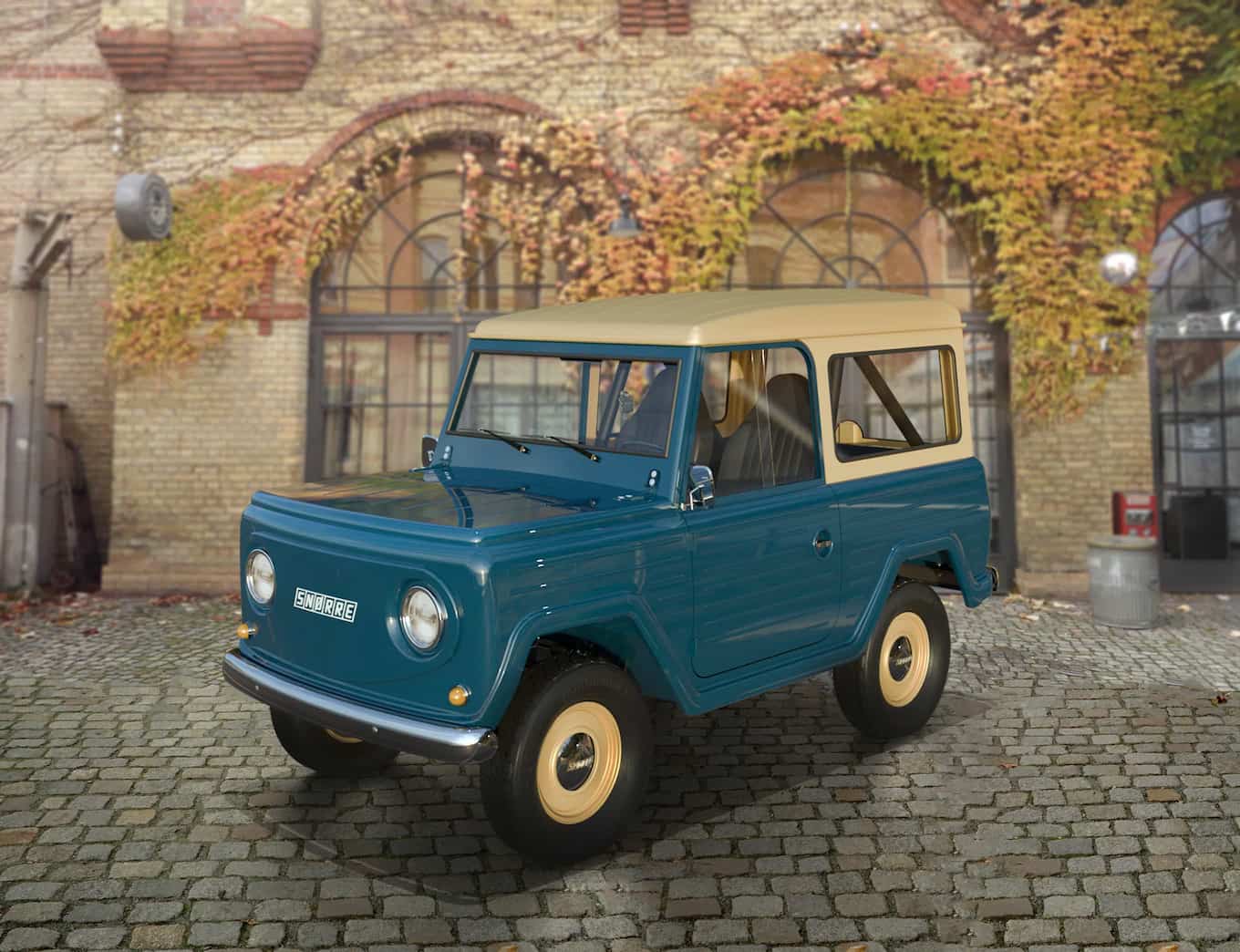
SNØRRE Microcar.
Europe´s first „Fairecar“.
The Mobility Transition
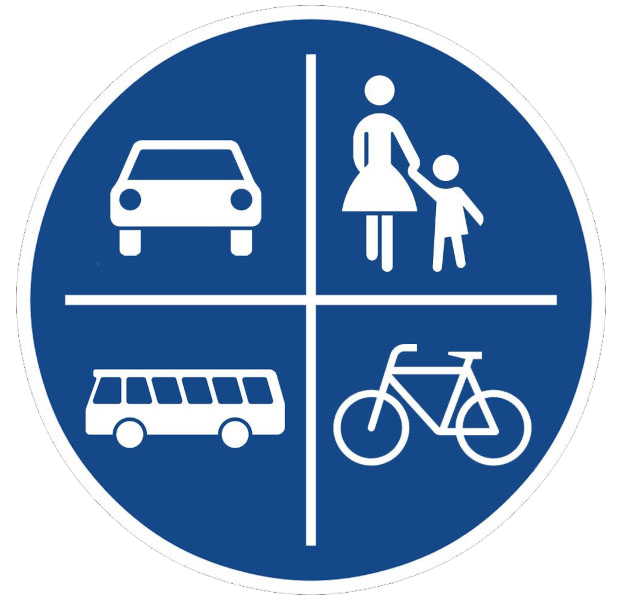
In urban areas today, three mobility options are considered standard: 1. public transportation 2. two-wheeled vehicles 3. heavy passenger cars
In theory, the mobility transition should be possible without passenger cars.
In reality, this is not the case.
A significant portion of the urban population is not willing to give up four-wheeled individual mobility.
This fact is often ignored in the mobility discourse.
The result: heavy cars remain the dominant solution – even though they are oversized for everyday urban life and block the mobility transition.
Yet the majority of urban car journeys could be covered by significantly smaller, lighter, and electric vehicles: so-called microcars.
Microcars have long been part of everyday life in many Asian cities.
They are available in Europe, but have not yet been accepted.
We show how this can be changed.
Microcars do not fail because of Technology. They fail due to their Image.
In Europe—especially in Germany—the car is not a neutral matter of transportation.
It is an expression of autonomy, status, external perception, and self-perception.
This is precisely where the problem with microcars begins.
They are not seen as a conscious decision, but as the result of a deficiency:
too little money, too few alternatives, too few expectations.
Or even worse: a lost driver's license.
Not chosen – but left over.
Microcars are therefore not seen as a solution, but as a substitute.
As a vehicle for people who cannot do what they actually want to do.
Many microcars also confirm this image.
They look like disproportionately scaled-down cars, or in the worst case, shrunken SUVs that want to simulate normality.
Cheap materials, fashionable effects, short half-life, nothing about them ages gracefully.
Nothing signals attitude or conviction.
The consequence is unpleasant but real:
People would rather accept the accusation
of driving a car that is too big and too heavy through the city
than accept the silent suspicion that they had no better option.
Better to be considered environmentally harmful than presumably poor.
Better to be ignorant than a failure.
Better to be an environmental sinner in an SUV than suffer status anxiety in a small car.
This creates a cultural stalemate:
the passenger car is socially problematic,
the microcar socially compromising.
And as long as microcars are not seen as a conscious, self-confident choice,
they will play no role in the mobility transition—
no matter how efficient, no matter how electric, no matter how well-intentioned.
When mobility takes a stand
Why did the cargo bike become the symbol of sustainable mobility—and not the classic bicycle?
Because it is not just a means of transportation, but a visible sign of a lifestyle.
The trend began in urban, value-oriented circles: people with education, cultural awareness, and the desire to make responsible behavior visible.
While the classic bicycle remains inconspicuous, the cargo bike signals that someone is replacing their car – out of conviction.
It thus became a symbol of an attitude that spread from there to all cities. And microcars?
So far, they look like shrunken SUVs or technical studies – either overlooked or ridiculed.
They still lack the cultural charge, the visibility, the symbolism.
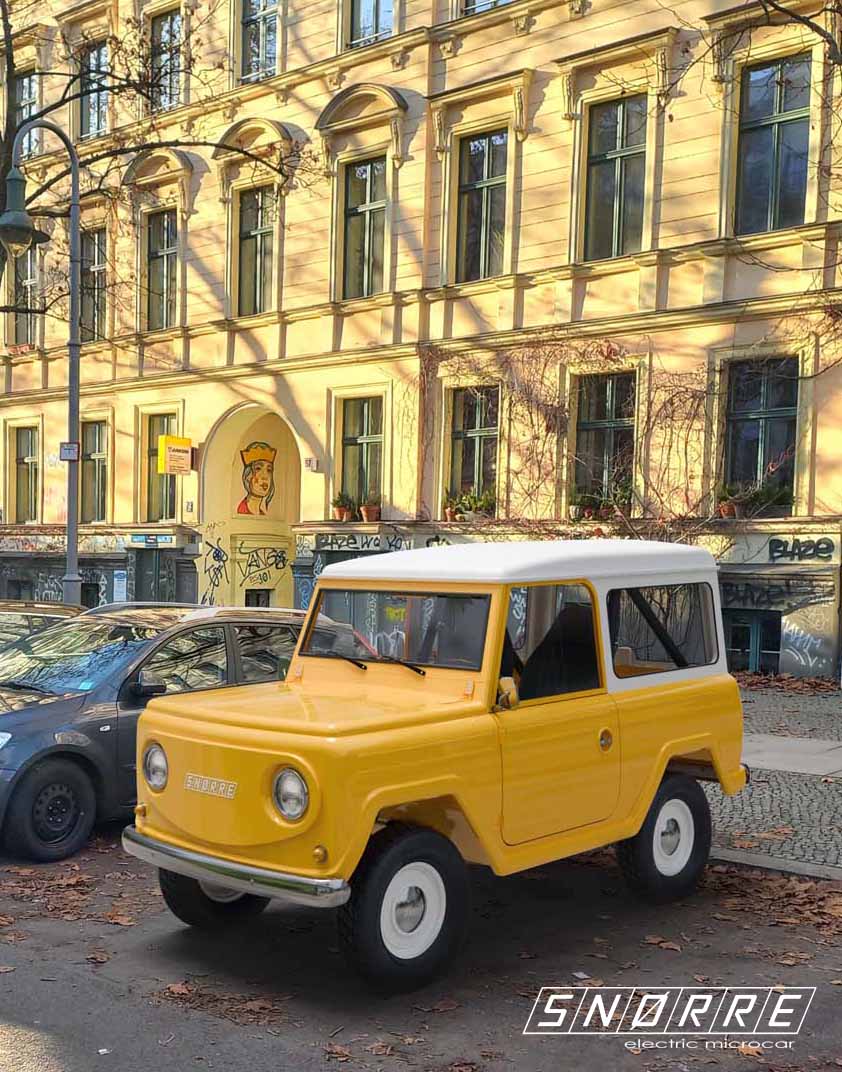
This is exactly where the Snørre comes in:
it is designed to serve the same principle as the cargo bike once did – it makes attitudes visible.
Timeless in design, unique in appearance, repairable and clear in its message: I move differently – consciously, not out of necessity.
This is how a vehicle can become a statement.
And a statement can become a new cultural trend.
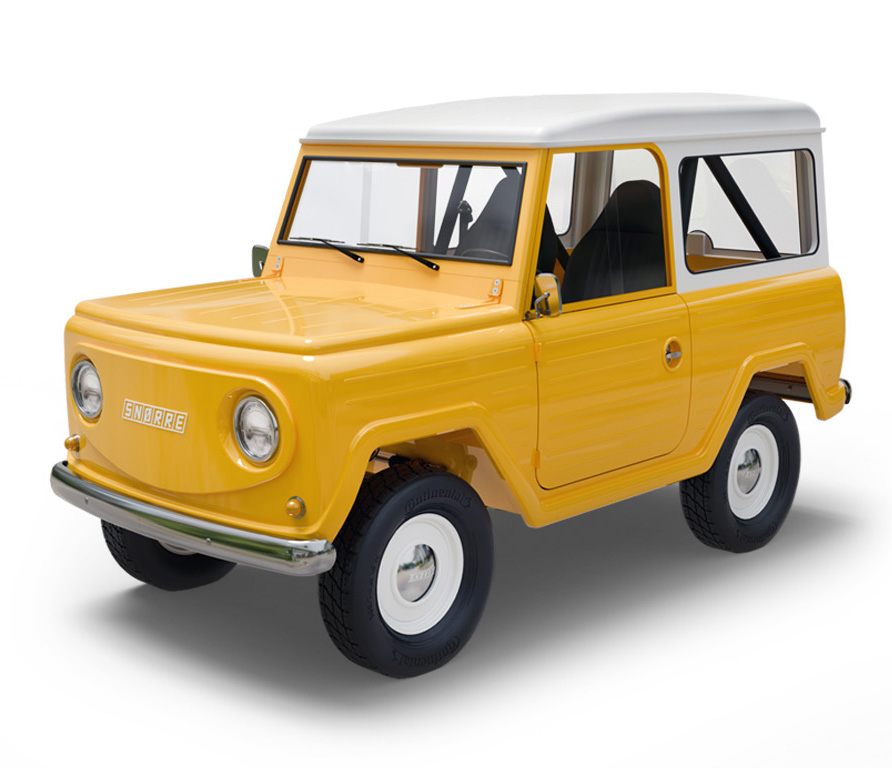
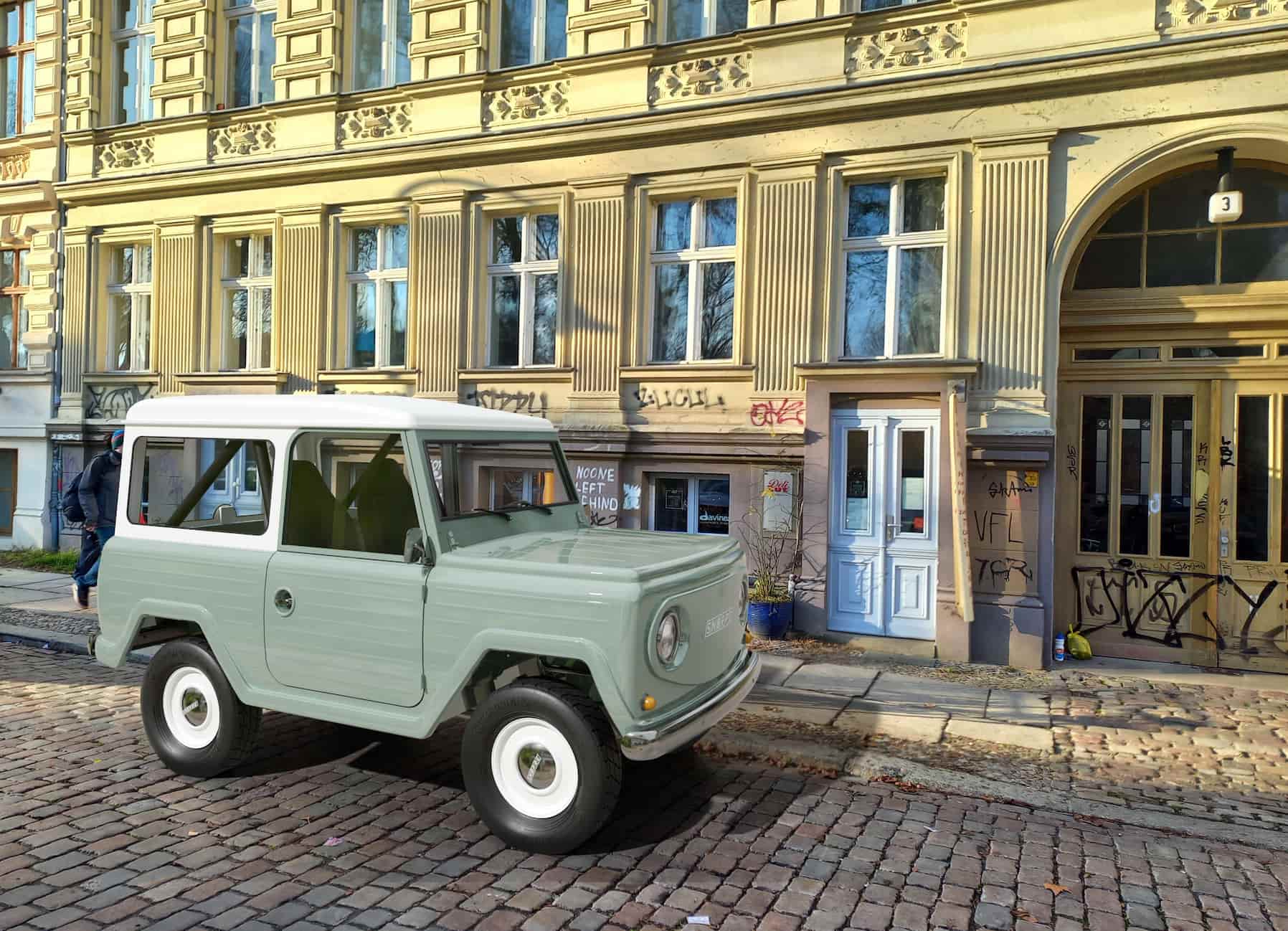
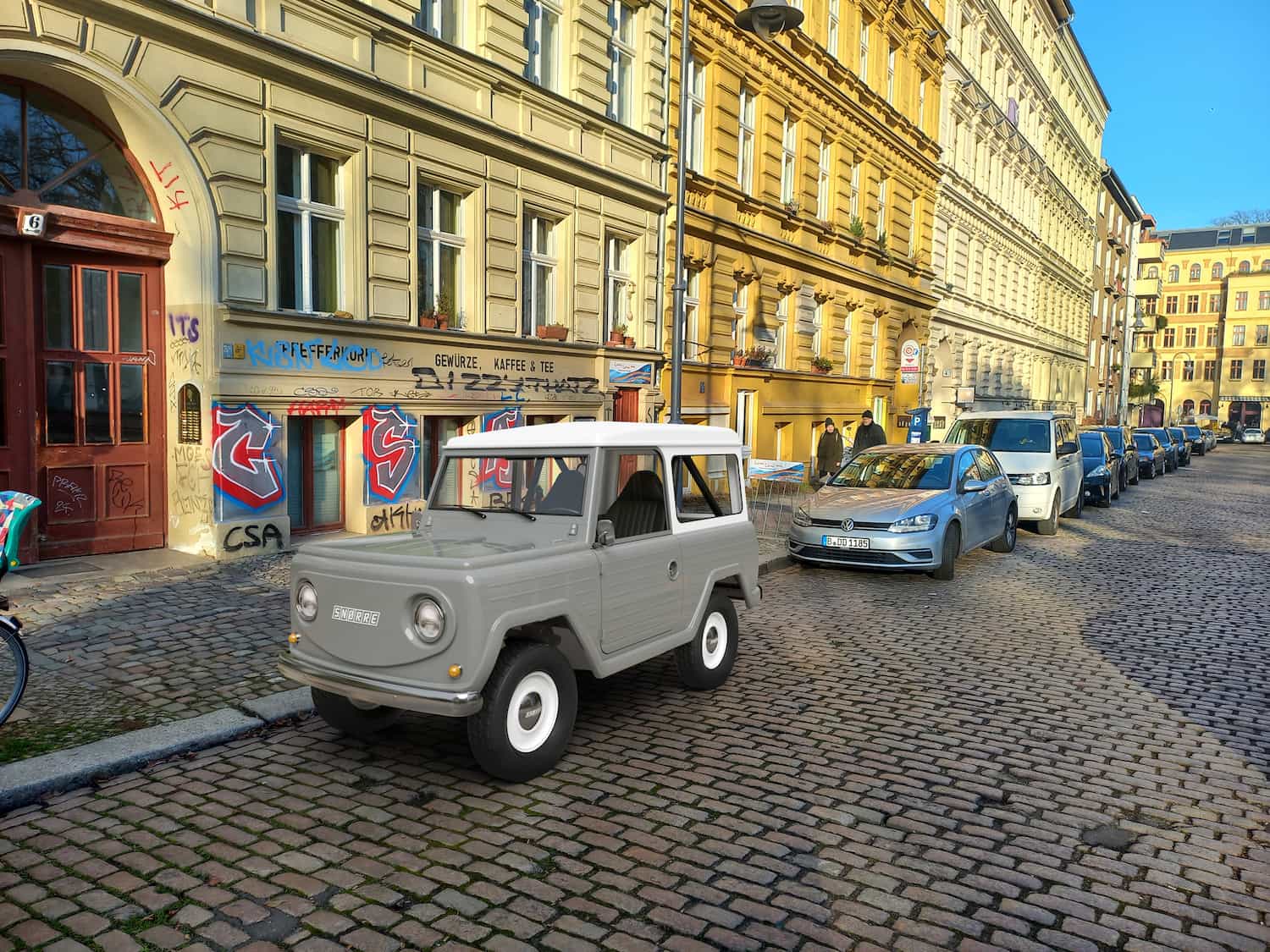
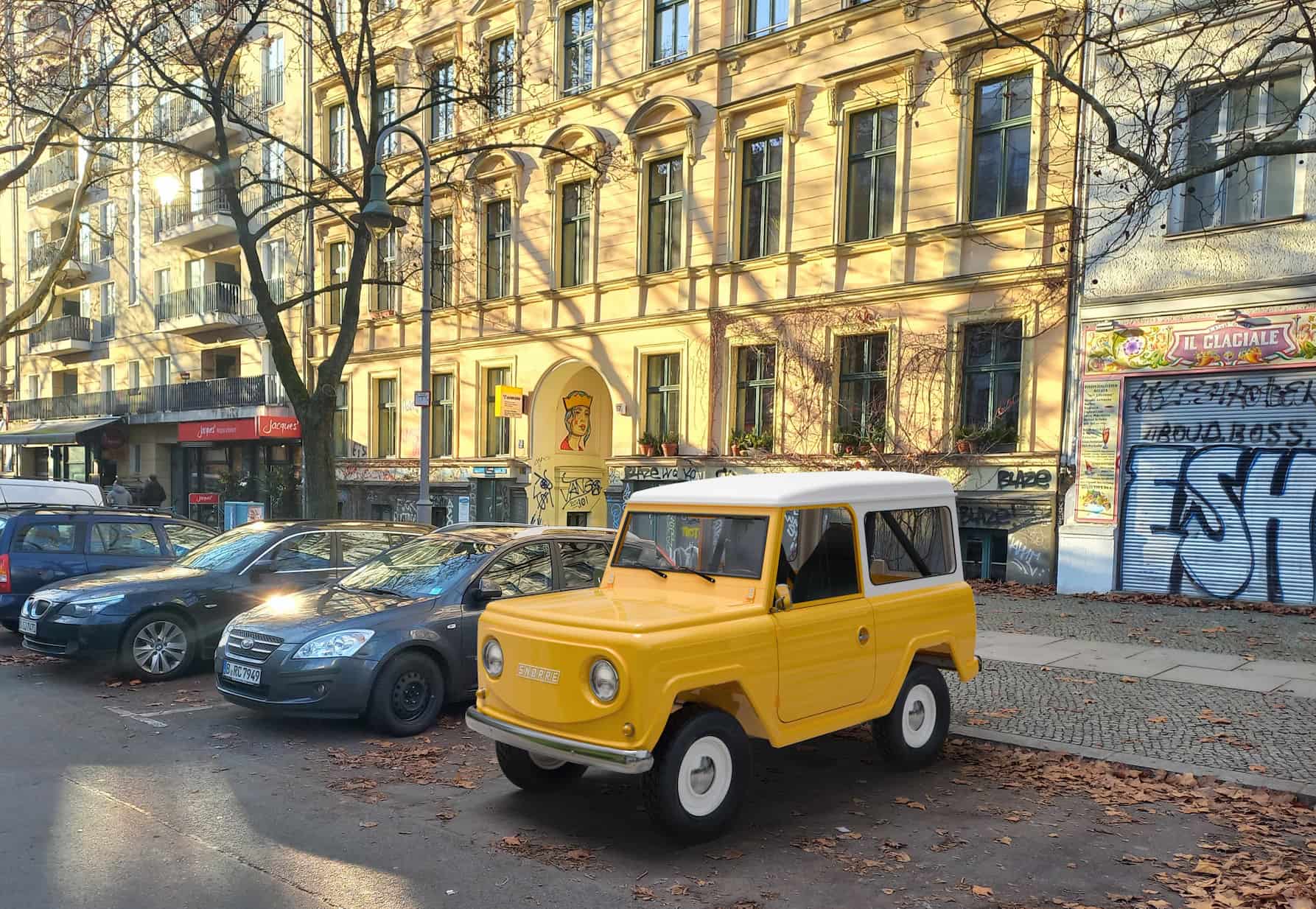
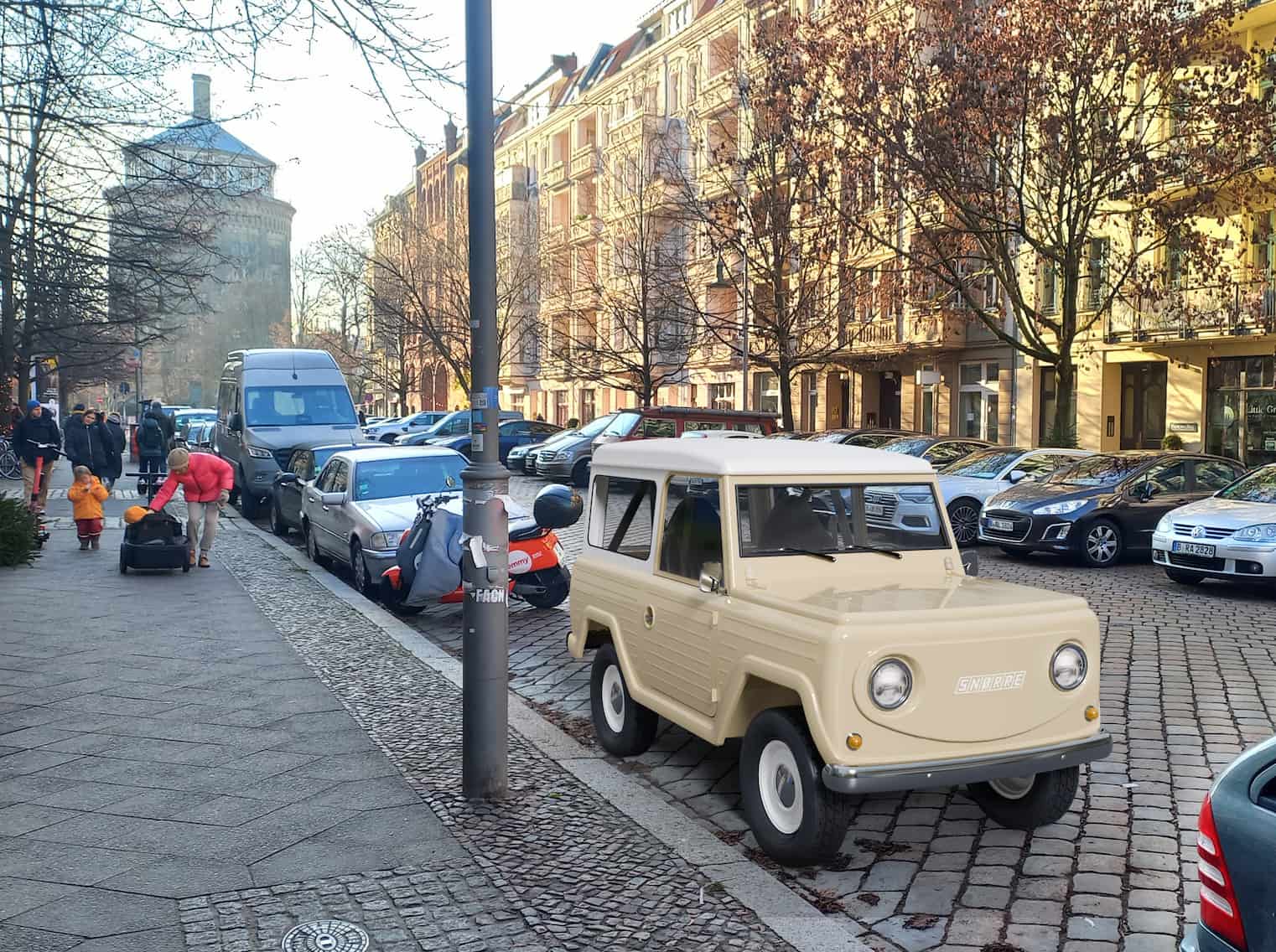
Our SNØRRE Microcar
With our SNØRRE, we focus on timeless design that will not go out of fashion even after decades.
This makes a longer service life more likely – a key prerequisite for true sustainability.
We use high-quality, resource-saving, and durable materials that do not suffer the ravages of time. On the contrary, the patina, the traces of age and use, ennoble the vehicle.
The SNØRRE is more than just a “better microcar.” It is deliberately designed so that it cannot be seen as a stopgap solution.
It is aimed at people who make decisions not only based on purpose, but also on meaning: at urban communities where attitude is visible – just as it has been with cargo bikes.
That's why the SNØRRE is not a “shrunken car,” not a “toy,” and not a “substitute.”
It is a recognizable statement: I drive small—not because I have to, but because I want to.
We also consistently follow this principle technically: low-tech as a conscious decision.
Not because we are incapable of more, but because simplicity, reparability, and long-term use can only truly be achieved in this way.
No overloaded assistance systems, no technological theatrics, no short-lived effects – just a clearly structured vehicle that is easy to understand, maintain, and develop over the years.
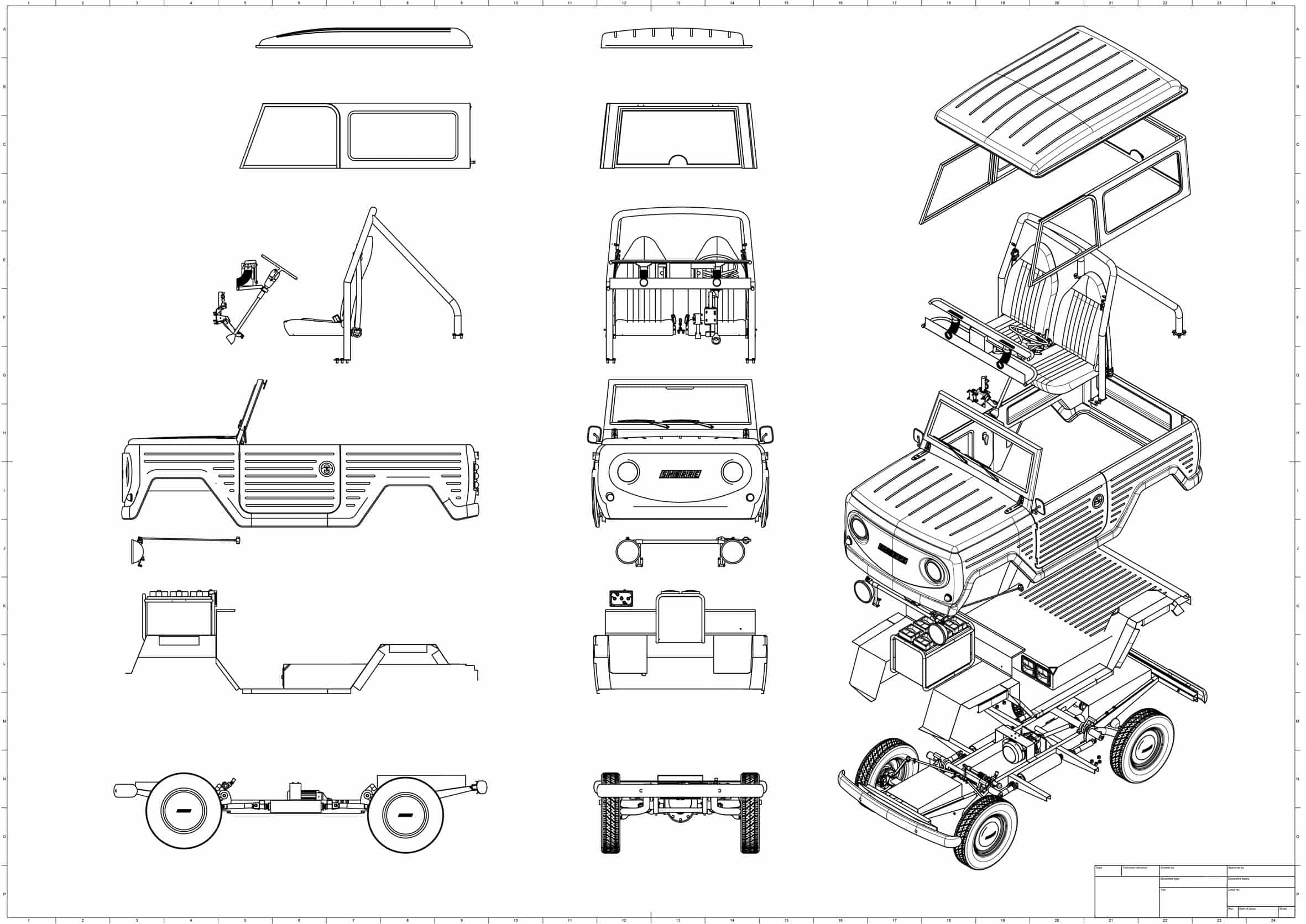
The modular design facilitates repairs and allows for adjustments to future advances—without having to reinvent the vehicle each time.
The result is a microcar that takes off where new mobility standards are emerging—and can spread from there.
Just like the cargo bike: first a symbol, then a standard.
A new approach to micromobility.
Our SNØRRE Microcar.
Sustainability & Obsolescence
Let's take a simple desk lamp.
Functionally, it is often still perfectly fine—it provides light.
But if its design follows a short-lived trend, it will eventually end up in the basement or directly in the trash.
Not because it is broken, but because you no longer want to see it.
This is perceived obsolescence.
A classic metal Kaiser lamp is completely different.
A timeless design classic, as found at Manufaktum, for example.
Even if, after many years, the shade is dented or the cable becomes brittle, you want to keep it.
You replace the cable, straighten the shade, and put it back on your desk –
because it's worth it.
Sustainability does not come from function alone,
but from appreciation.
Only things you want to keep are used for a really long time.
We designed the SNØRRE based on this very principle.
Not as a product for a trend, but as a vehicle with longevity.
Its design is deliberately timeless, subtly inspired by classics that still impress even after decades.
A SNØRRE is not a disposable product.
It is a vehicle that you maintain, repair, and keep for a long time –
perhaps even pass on.
Other vehicles age with their look.
The SNØRRE does not, because it never belonged to a fashion.
And that is precisely why a sustainability is created here that will last.
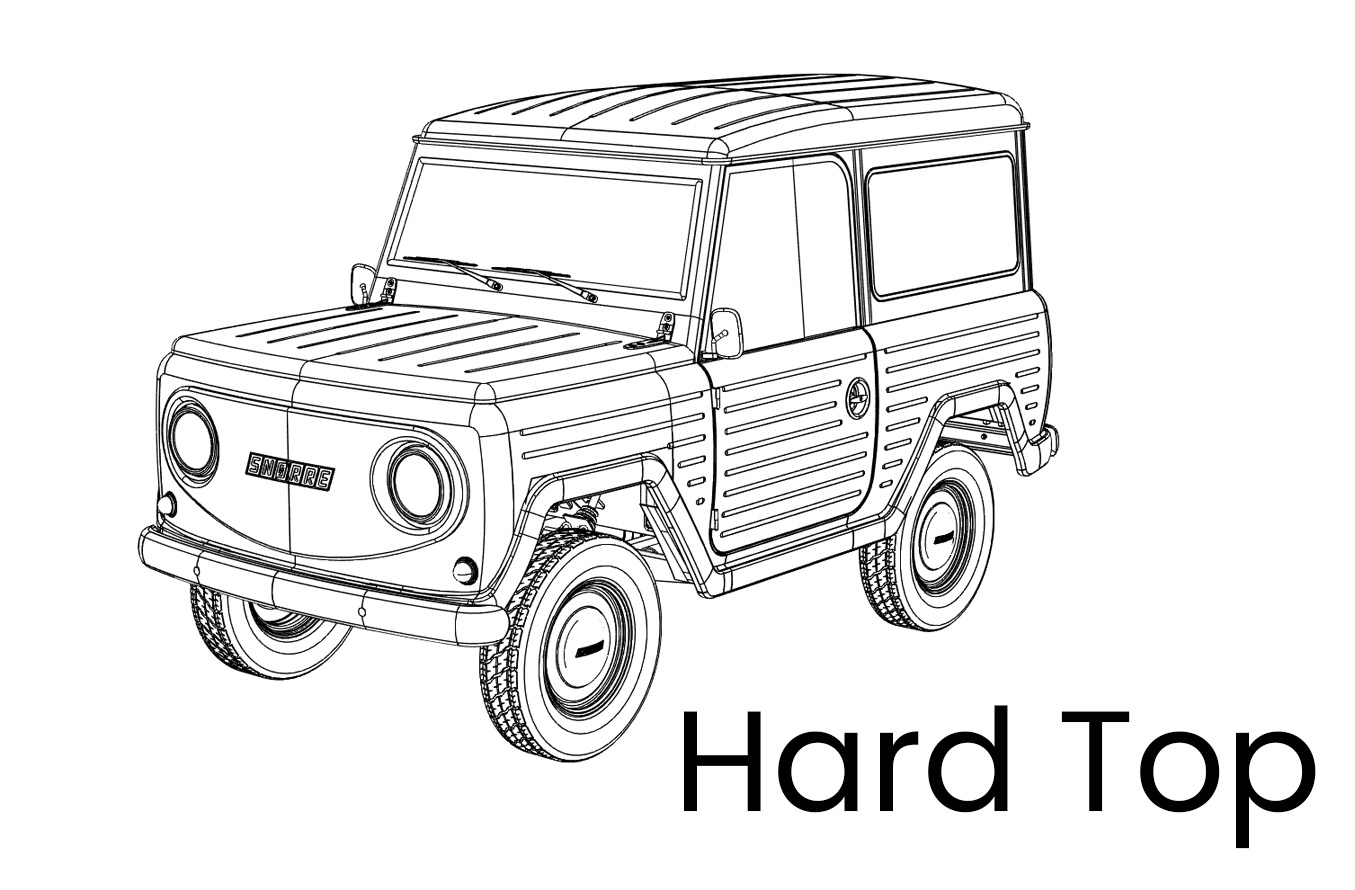
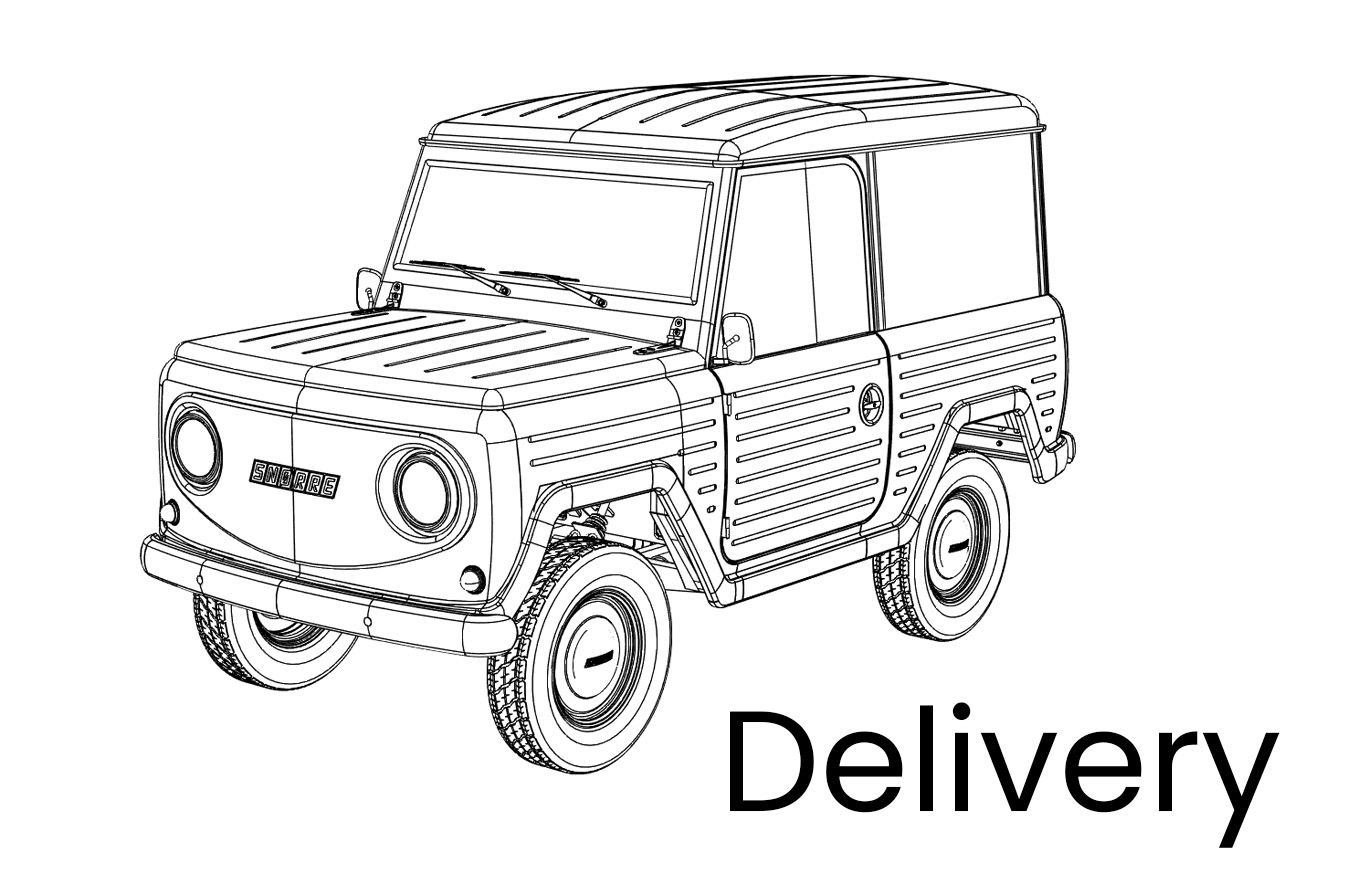
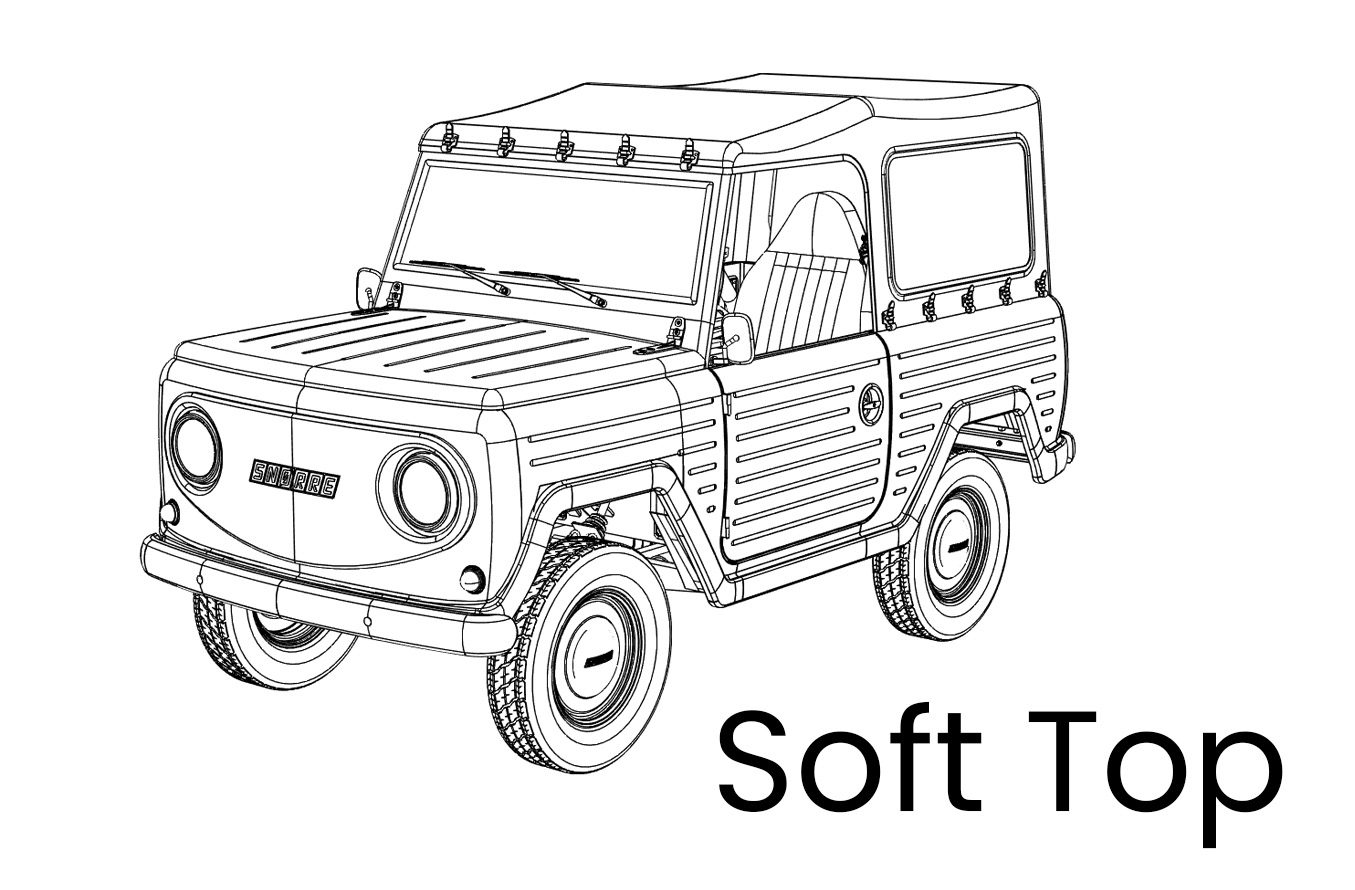
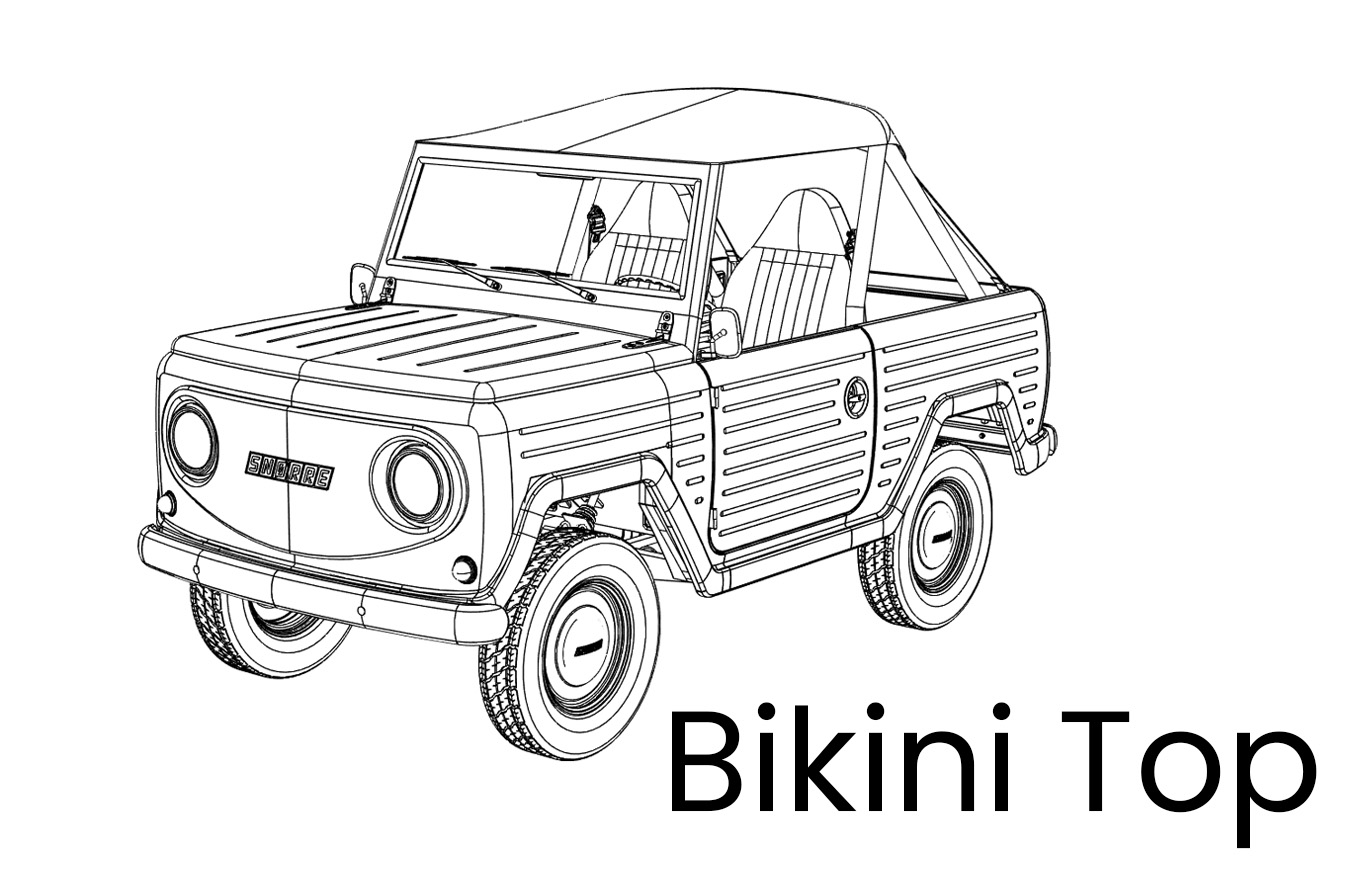
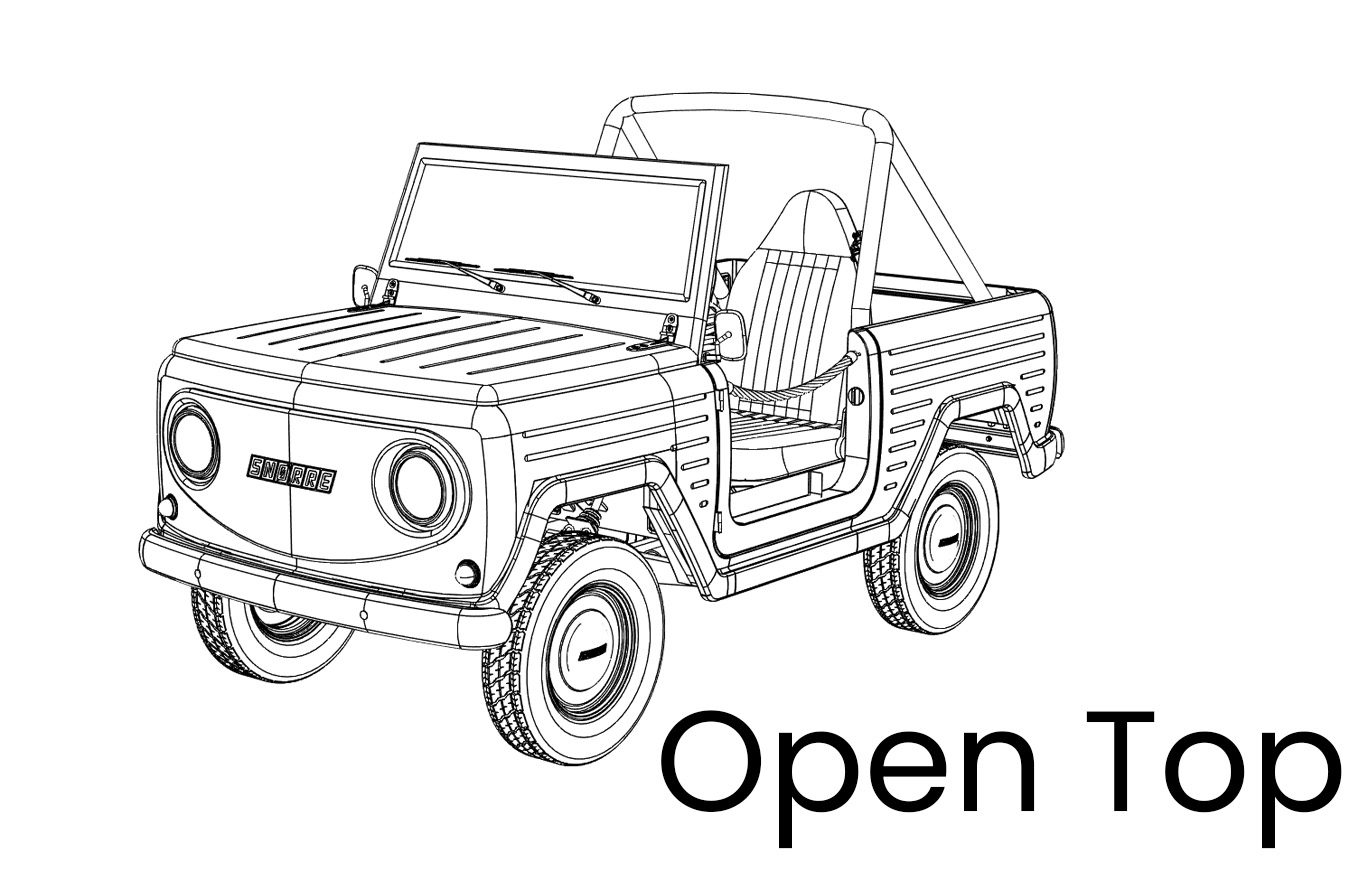
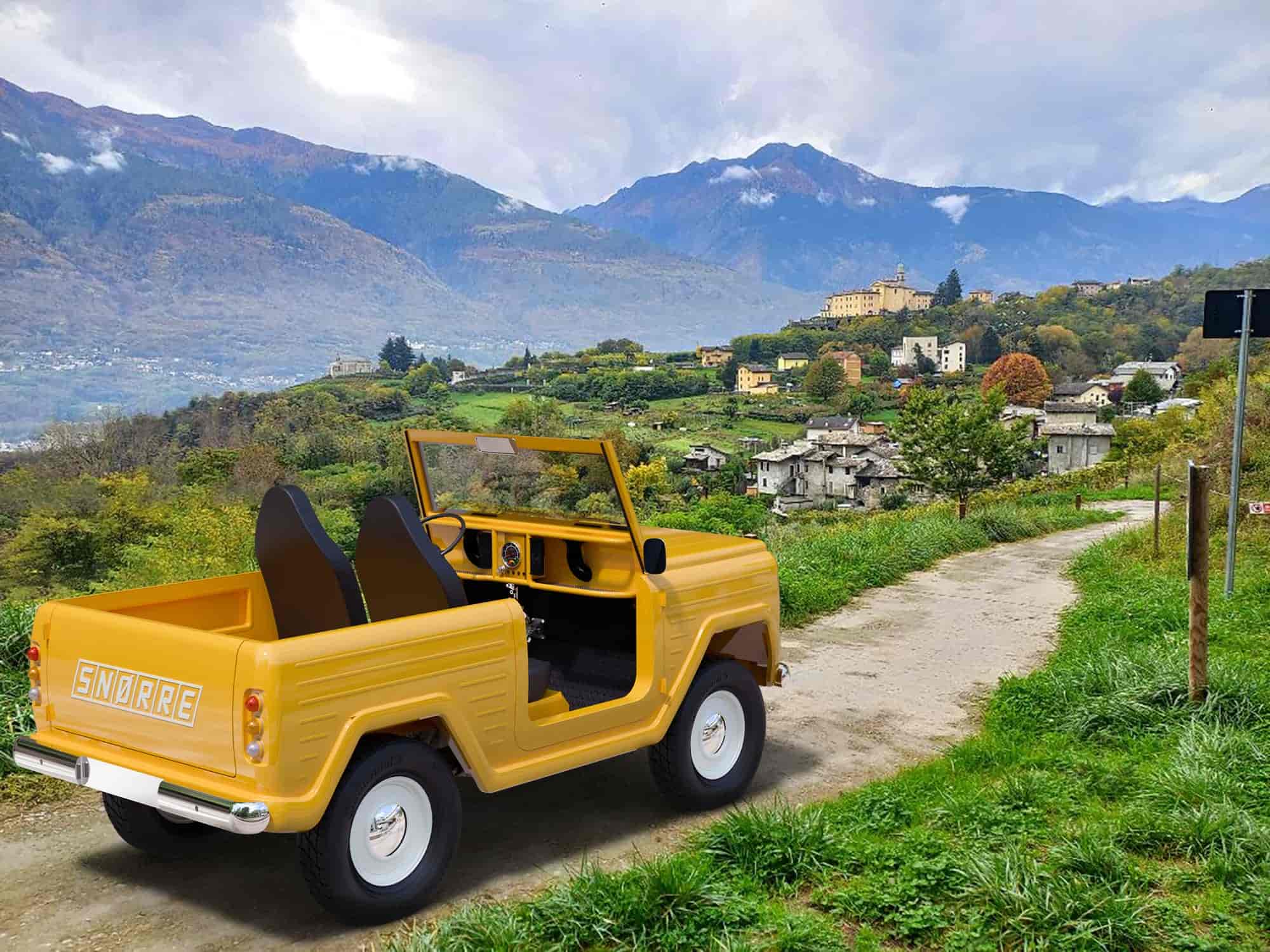
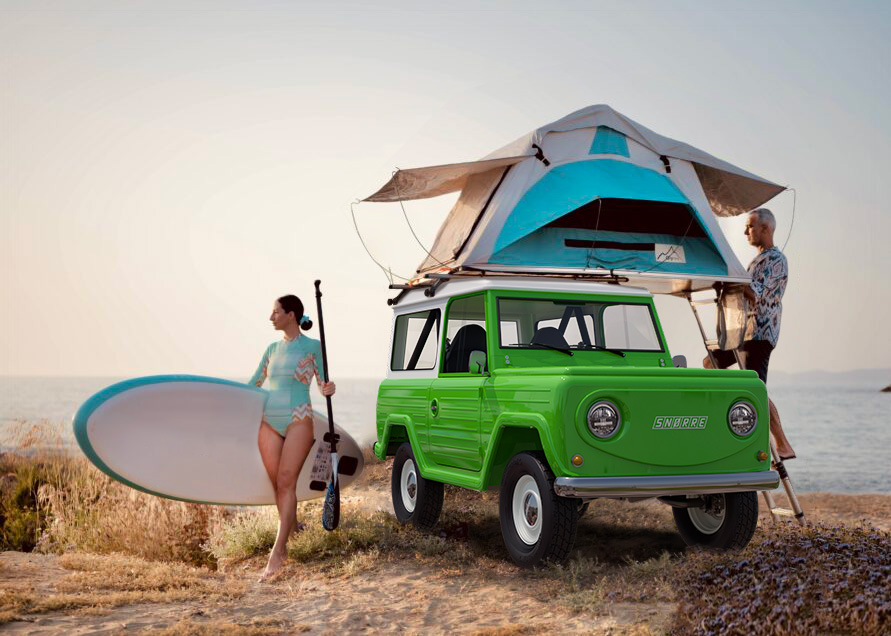
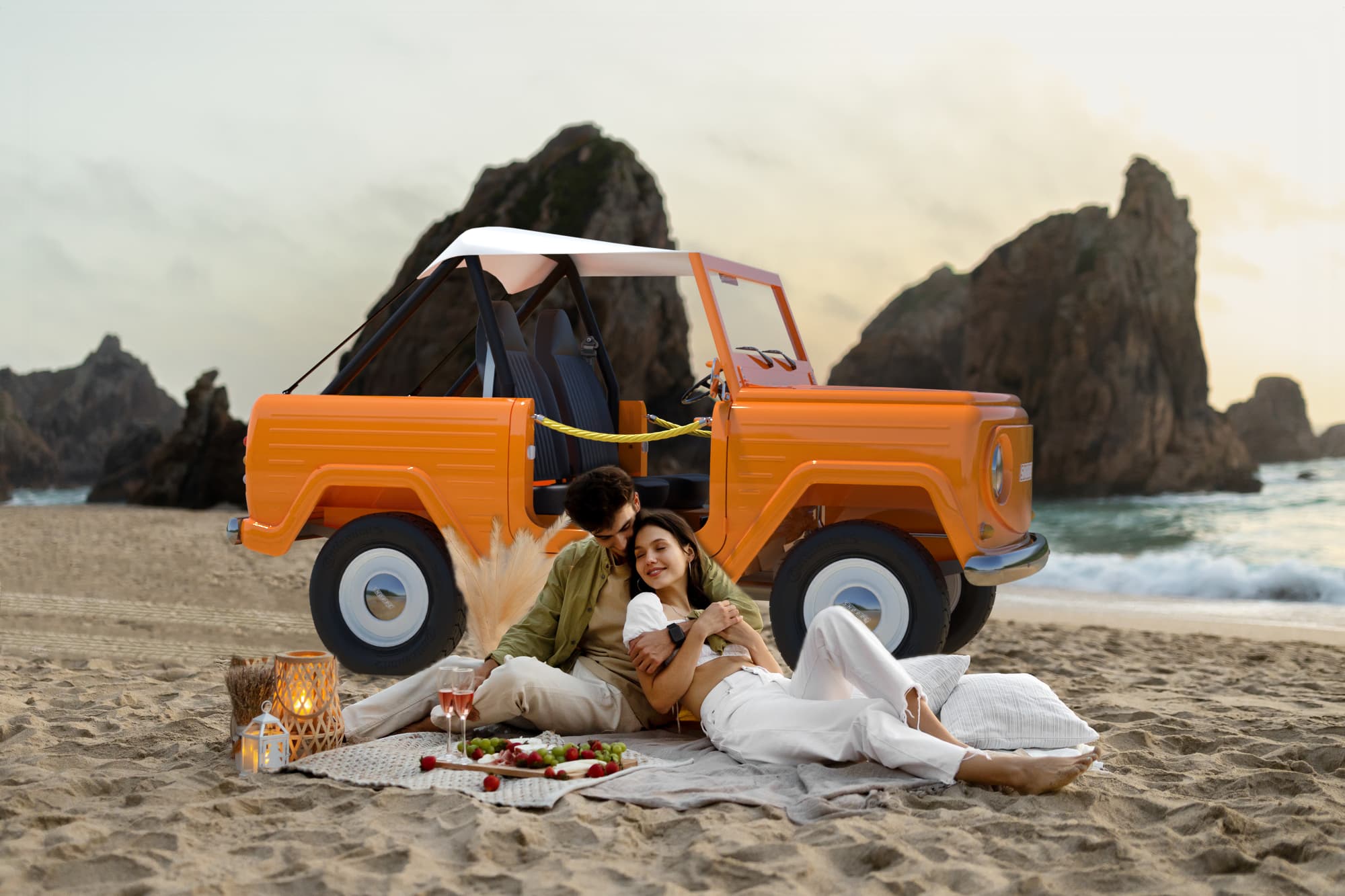
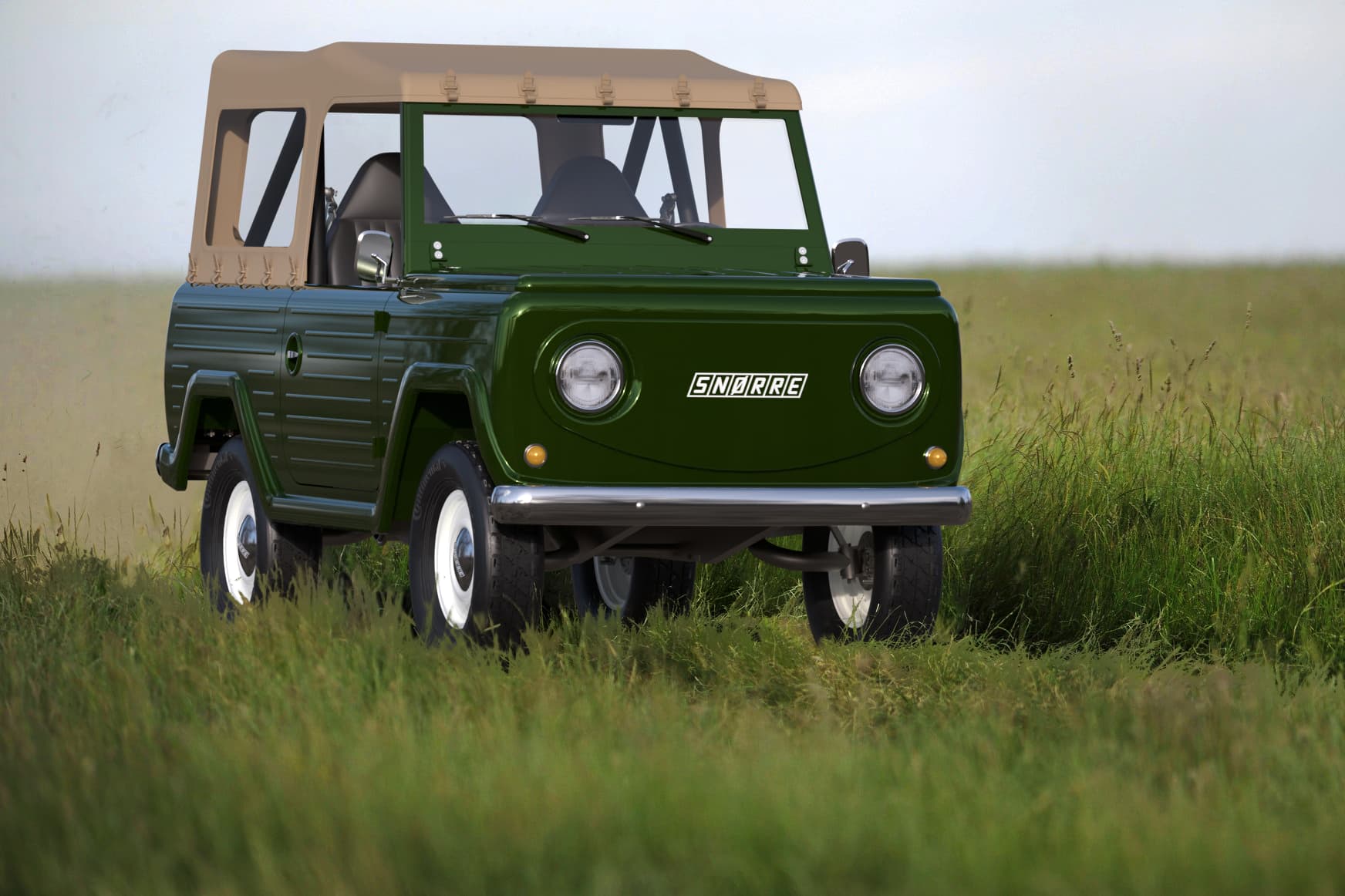
One SNØRRE - Five variants
"Hard Top"
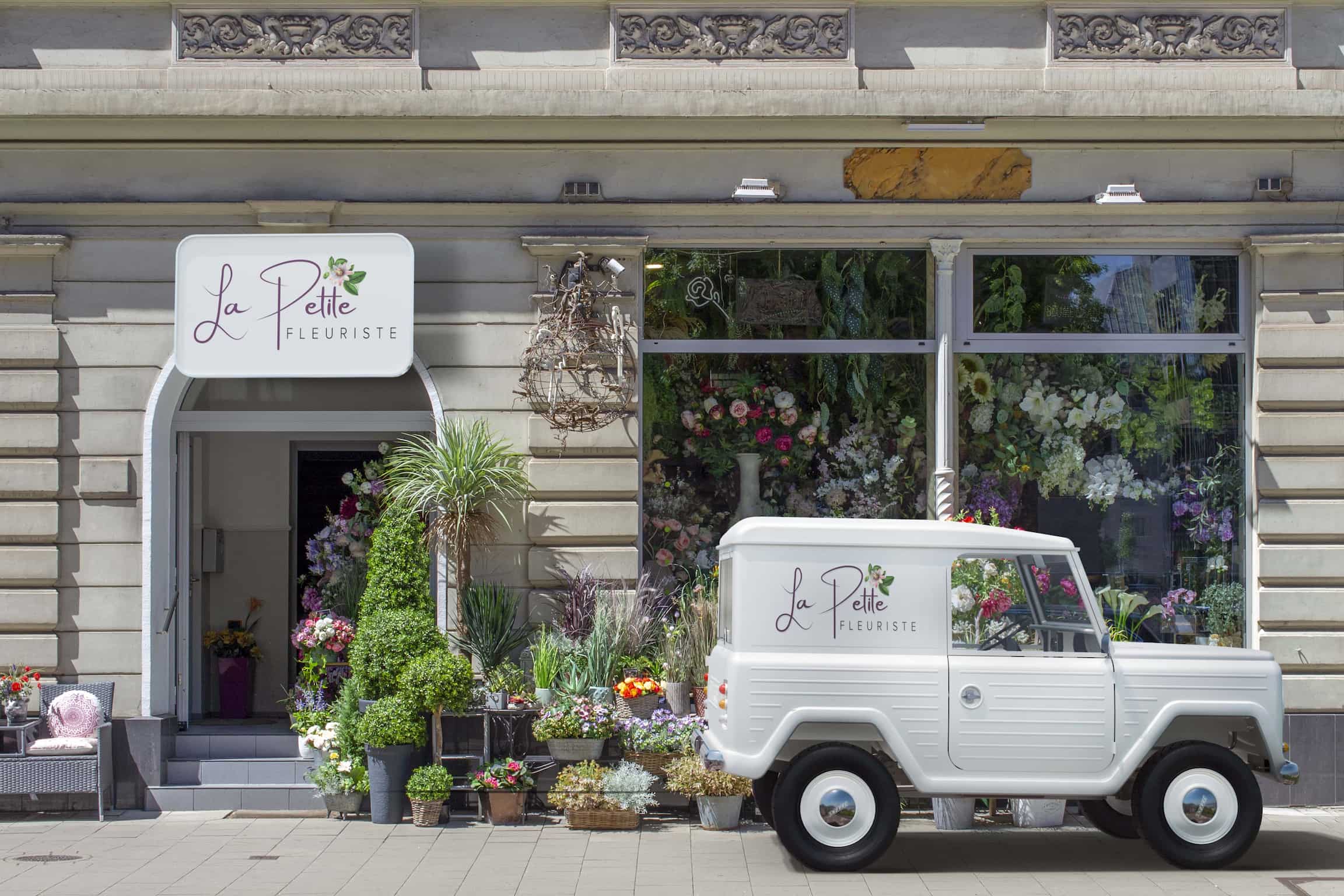
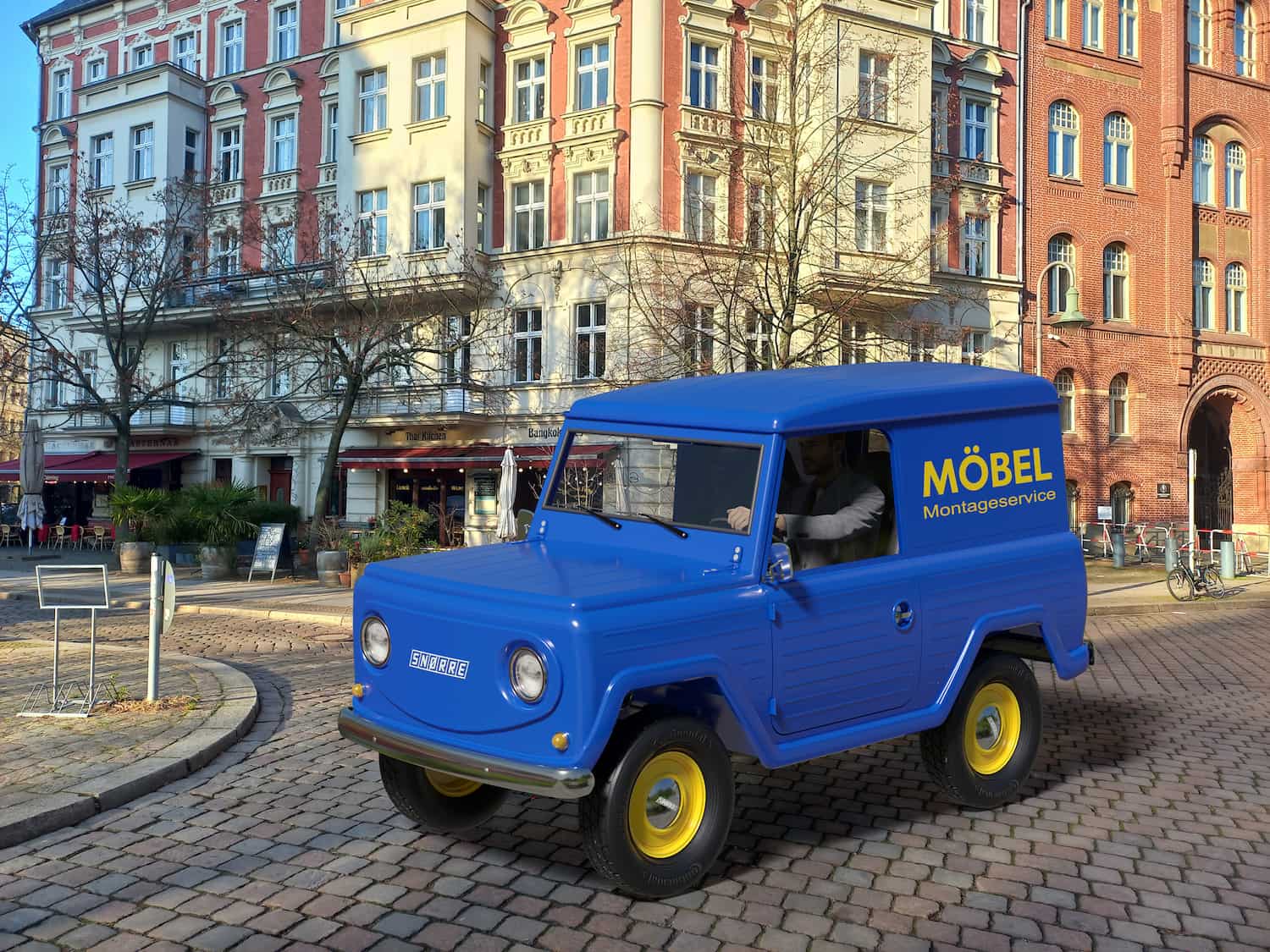
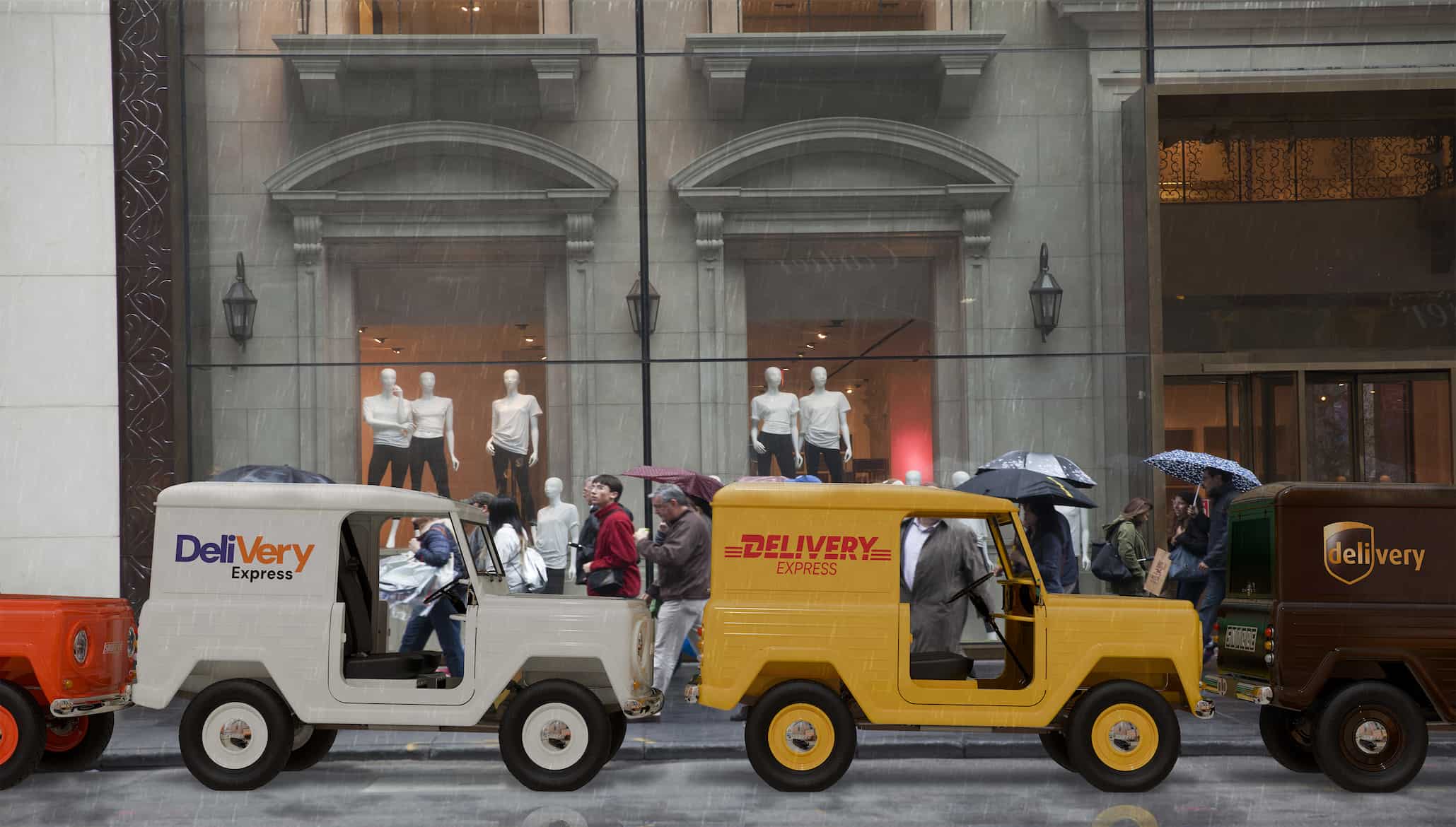
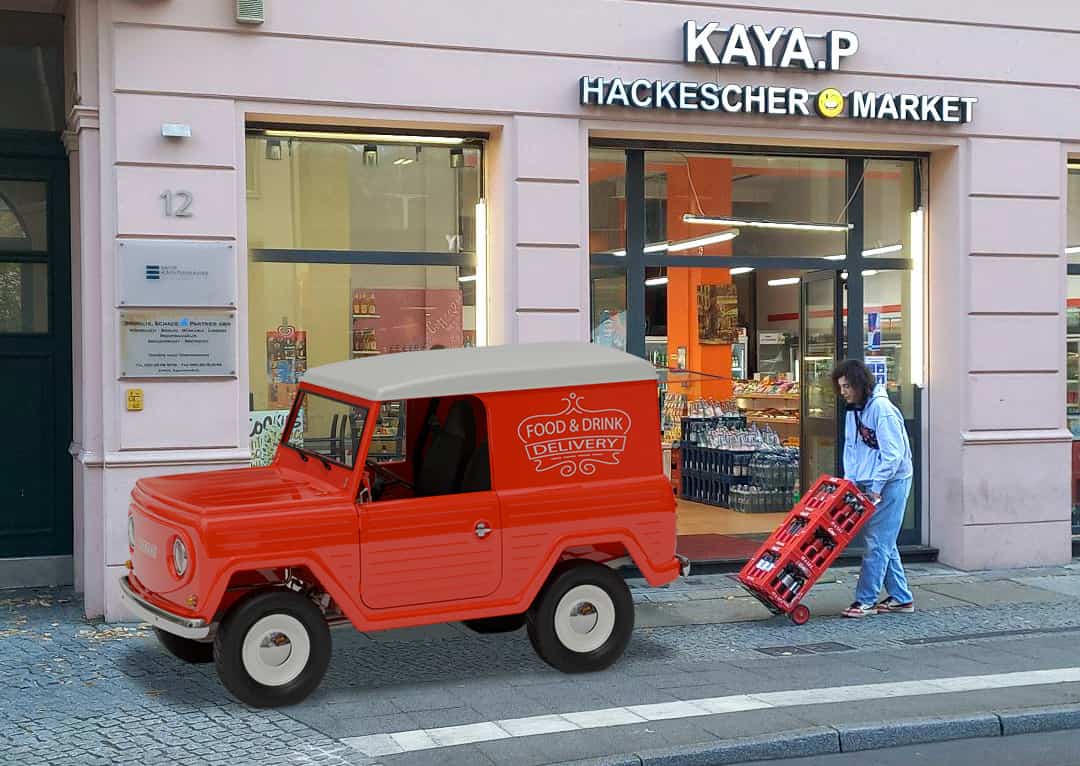
"Delivery"
"Soft Top"
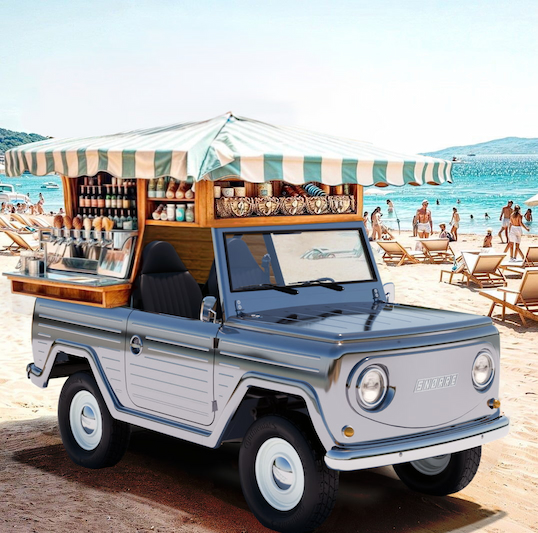
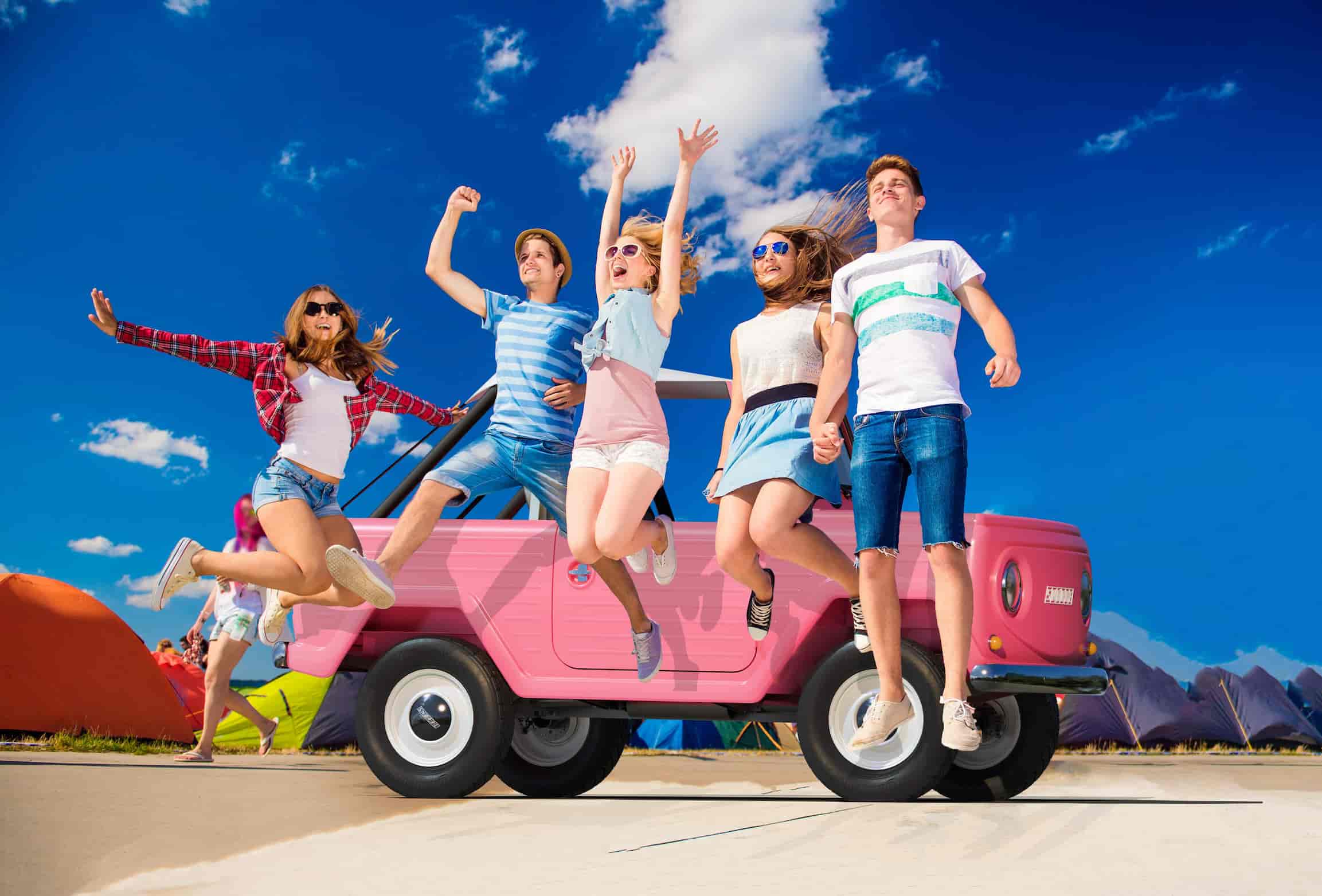
"Bikini Top"
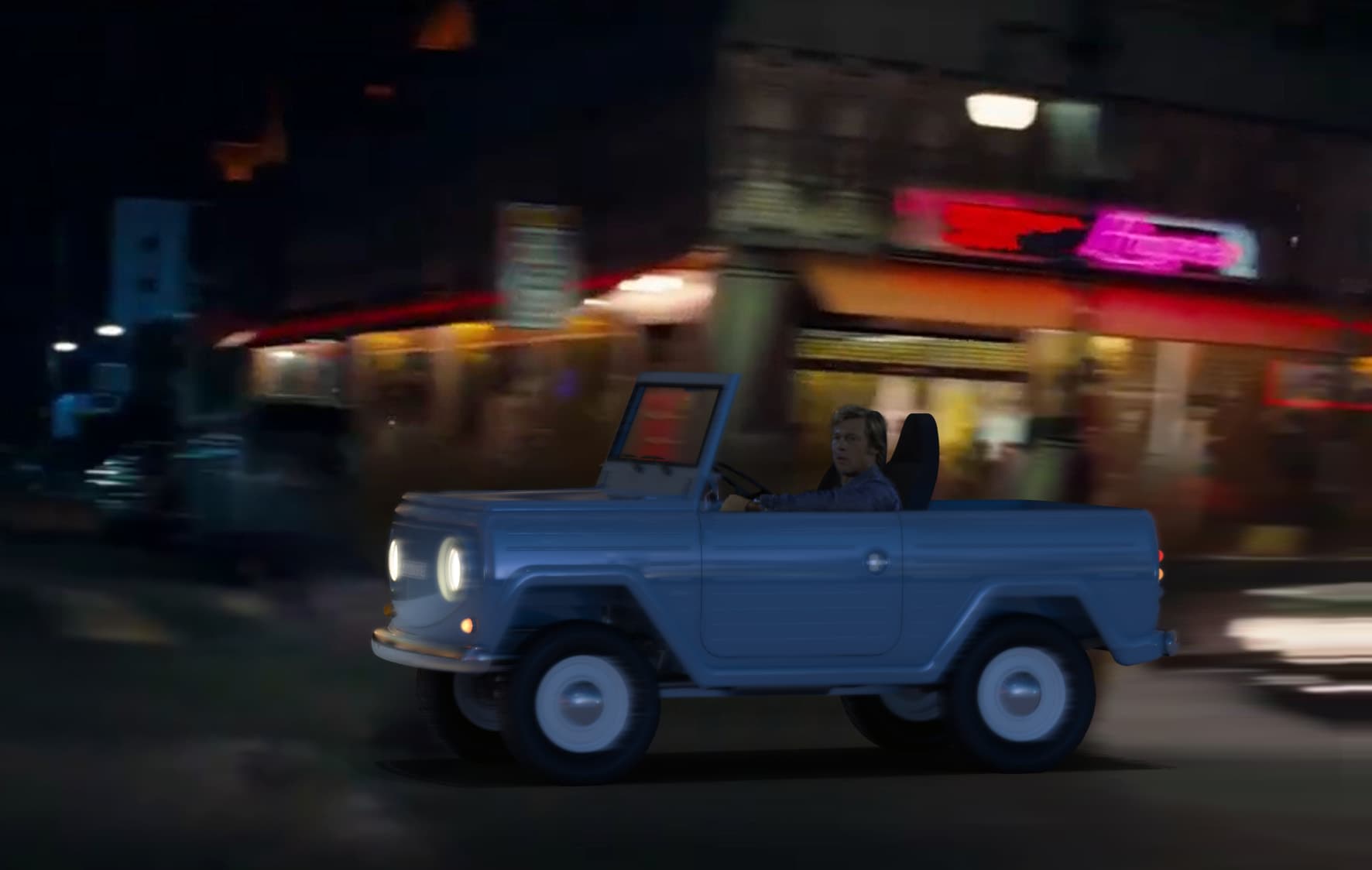
"Open Top"
Application and Usage options
1
2
3
4
5
6
7
8
9
10
11
12
13
14
15
16
17
18
19
20
21
22
23
24
25
There are many aspects of modern life in which our SNØRRE is a useful helper
can be...here is a small selection:
Private use:
Way to work/university/school etc, short journeys, shopping, fits in everyone
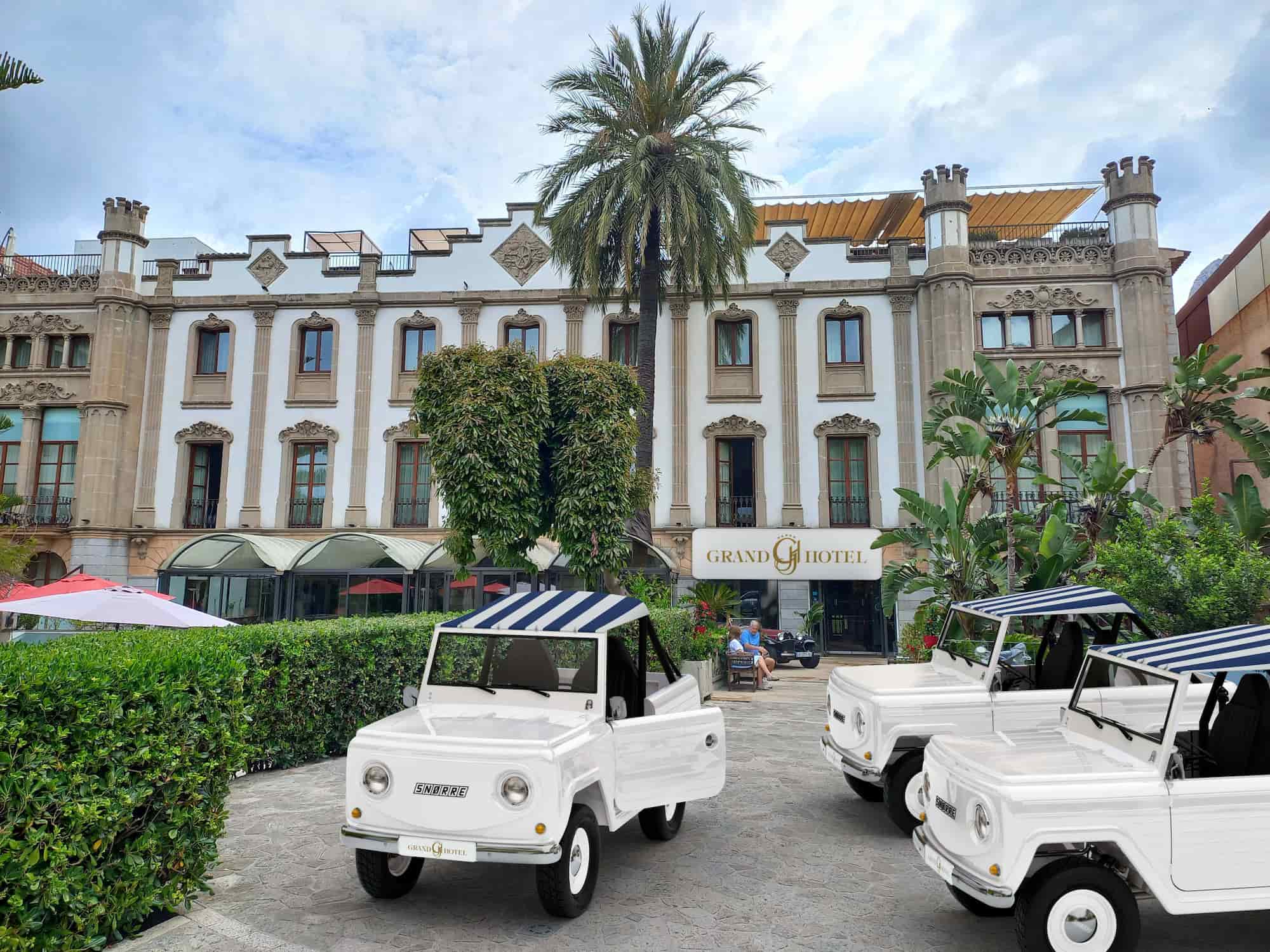
Parking space, as L6e version free from 15 years of age with class AM driving license
Sharing:
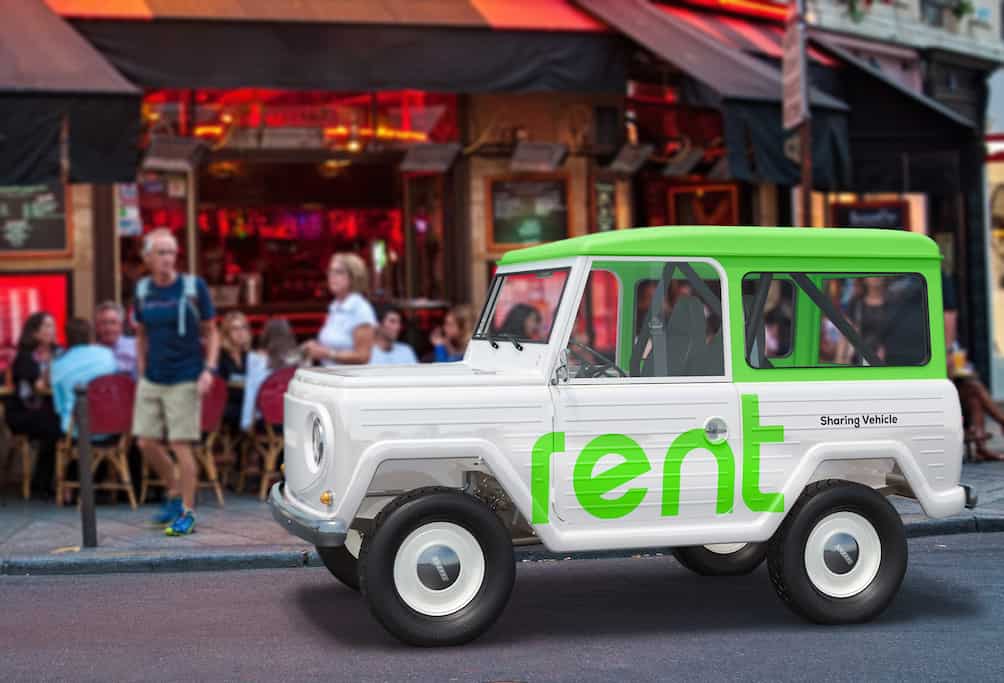
ideal sharing vehicle in urban areas, very robust and simple
to use
Mediterranean area:
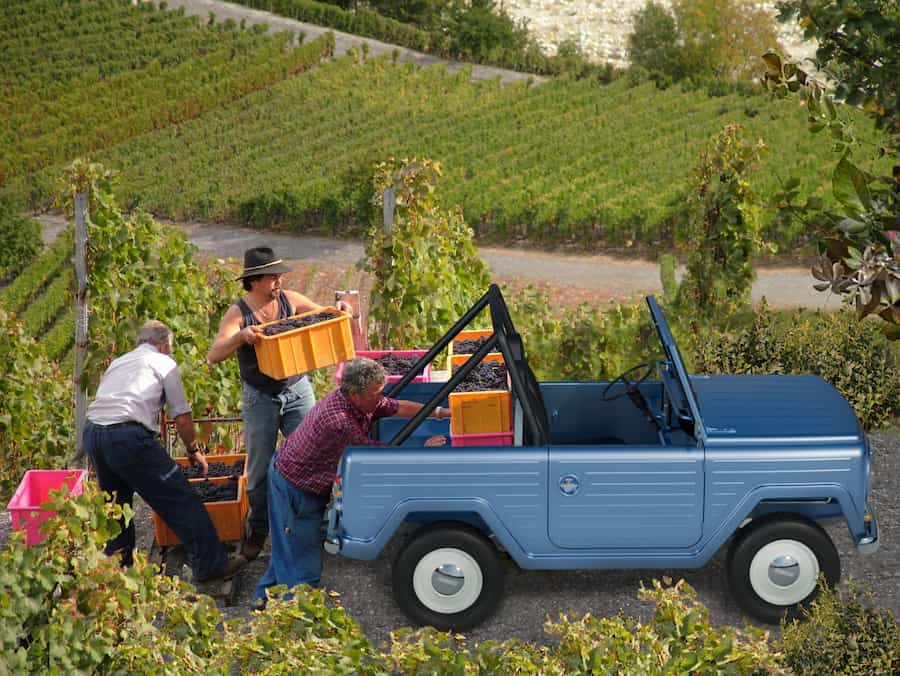
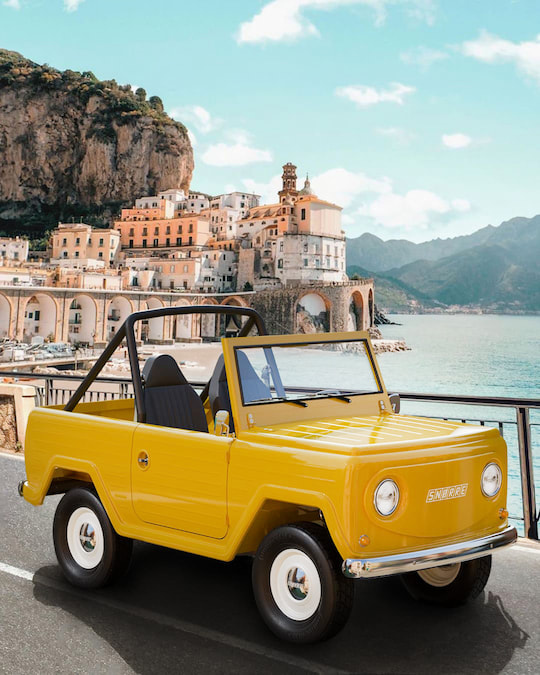
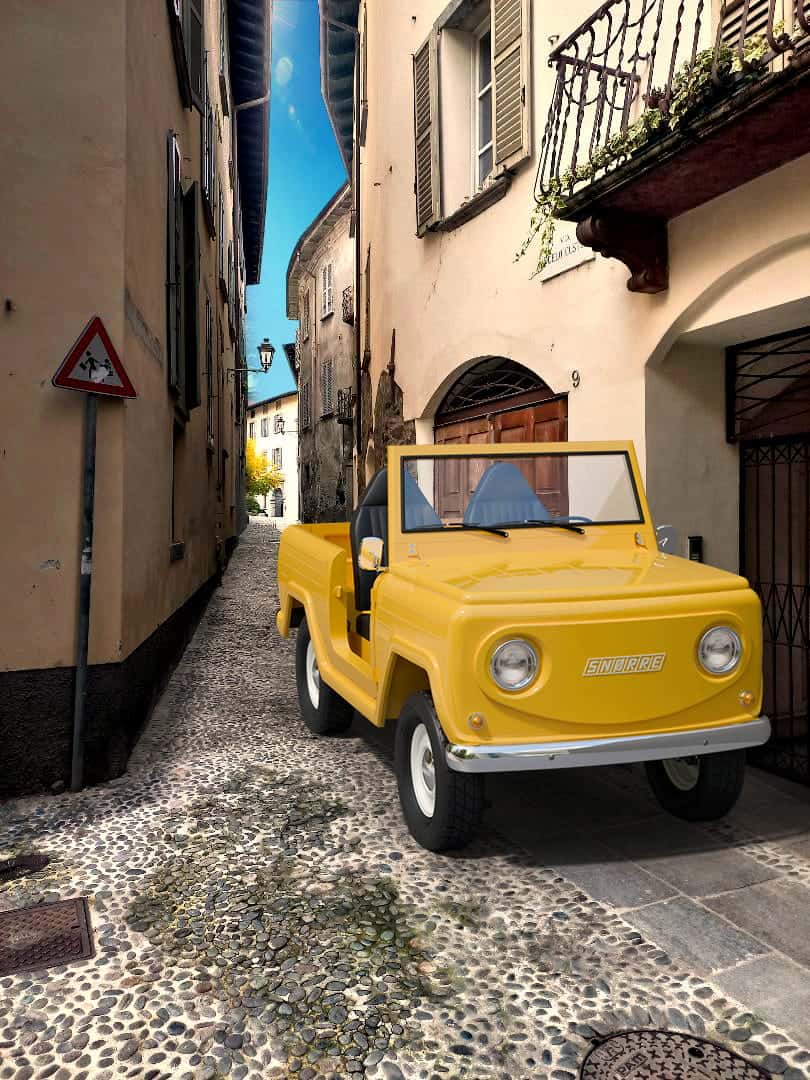
Ideally suited for narrow streets/alleys, rough terrain,
Slopes, short wheelbase, high ground clearance
Vacation:
Sharing/rental vehicle for holiday resorts, hotels, holiday apartments,
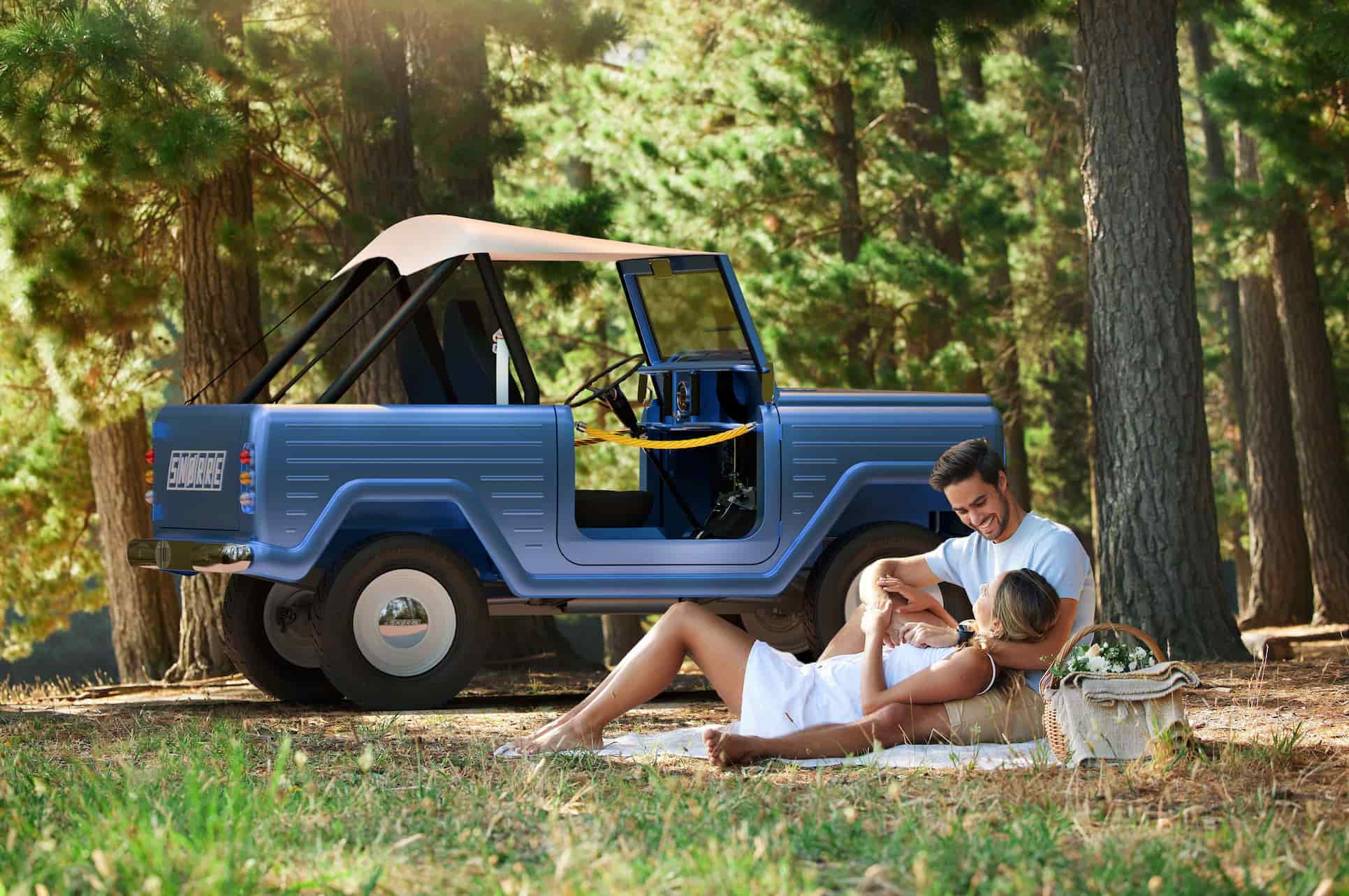
Excursions, beach, nature, sport
Great driving pleasure thanks to the convertible feeling and soft suspension chassis
Delivery/Last Mile:
Manoeuvrable delivery car for all kinds of deliveries (parcels/drinks/
Food) Continuous use possible thanks to replaceable batteries
Municipal vehicle:
Small quiet helper for hospitals/horticulture/parks/
Sports fields etc.
Business:
Functional small vehicle for crafts & service (care service,
caretaker etc.)
Sales vehicle (food truck/coffee), the modular design
enables all kinds of special structures
Technical data table
General vehicle data
• Weights: Empty weight without batteries (kg): 390, max. payload (kg): 400, permissible total weight (kg): 790
• External dimensions: 3,310 Length (mm):, Width (mm): 1,650, Height (mm): 1,850, Wheelbase (mm): 1,990, Front track width (mm): 1,260, Rear track width (mm): 1,260 and Track circle (mm): 7,560
• Electrically powered rear wheels
• Electric motor AC permanent magnet synchronous 6kw (L6e version) or 15kw (L7e version)
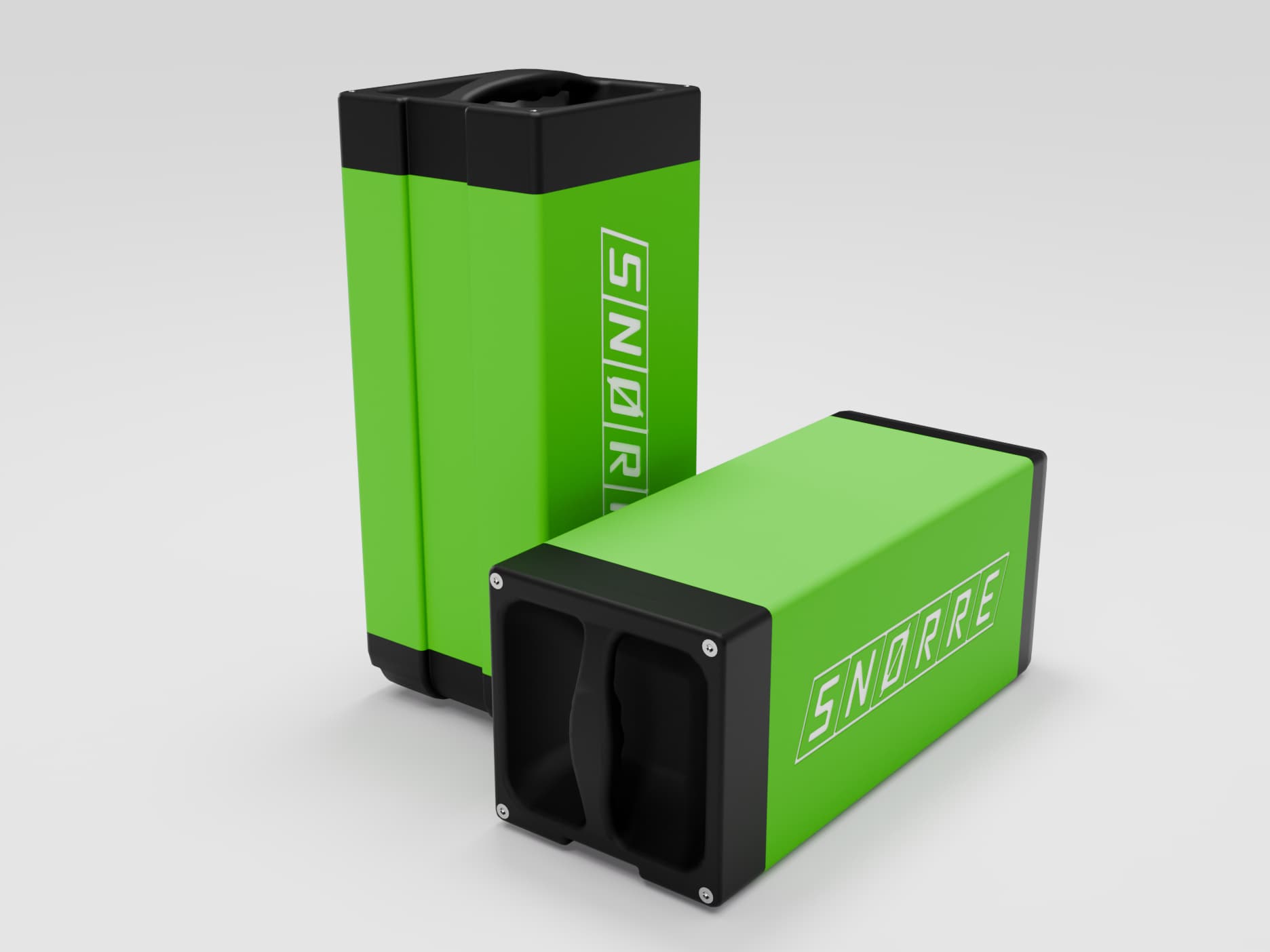
• Electric drive with four replaceable lithium-ion batteries kWh: 2.2/piece i.e. kWh: 8.8
• Maximum speed 45 km/h (L6e version), 85 km/h (L7e version)
• Consumption: 6.2 kWh per 100km
• Range: 110km (combined) with four batteries View
• Light: low beam, turn signals, daytime running lights and high beam
• Windshield wiper washer system
• Exterior mirrors on driver's side and passenger's side can be adjusted from the outside
• Interior mirror
• Daytime running lights
• Headlight headlight range adjustment Interior
• Ventilation system with electric heating
• Cup holders in the doors
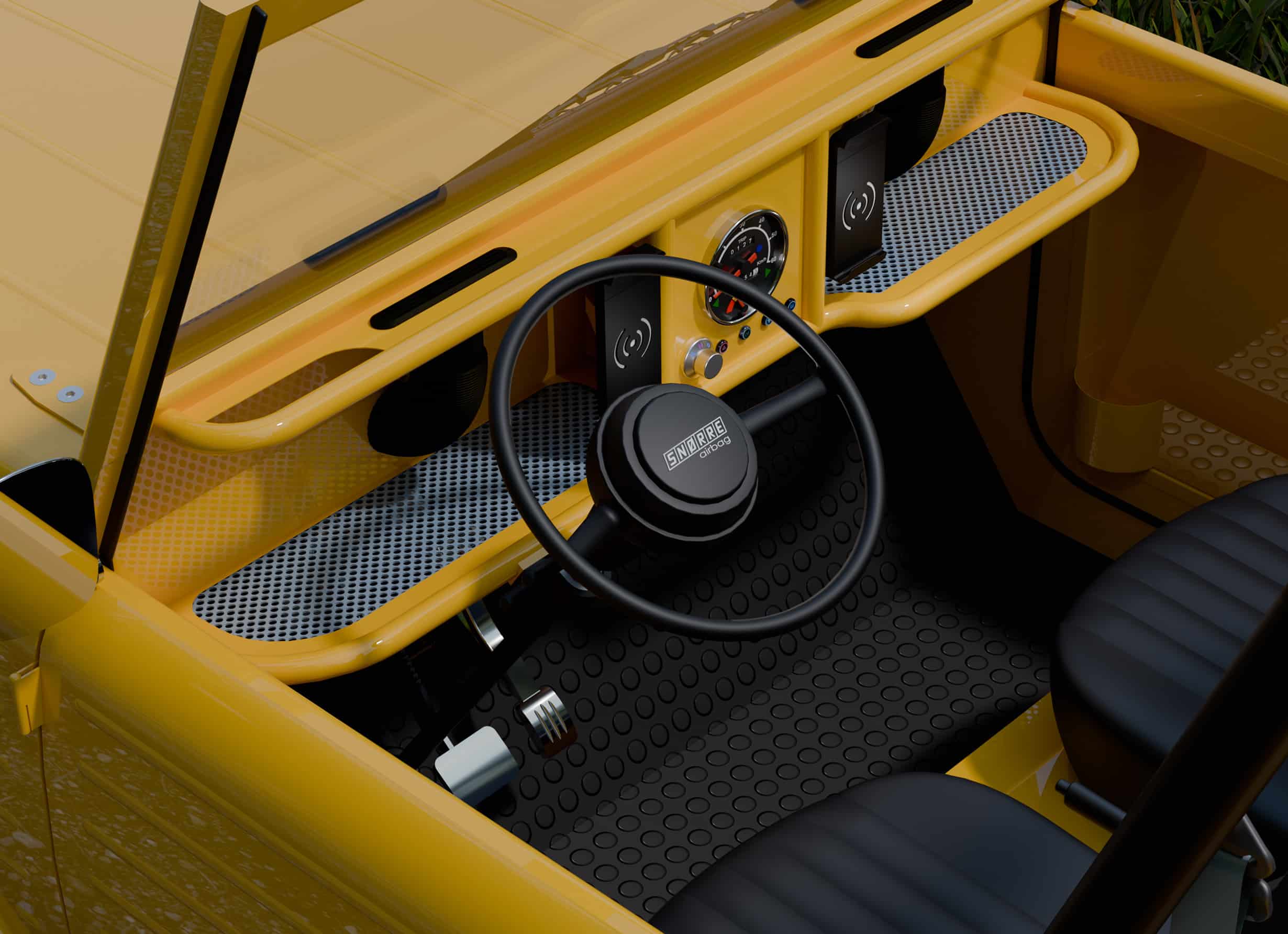
• Two mobile phone holders with wireless charging function
• 2 seats
• Driver's seat and passenger seat, individual seat with mechanical longitudinal adjustment
• Seat Covers: Vinyl Exterior
• Removable roof + convertible canvas top + bikini top awning
• Steel rims 4 J x 15 H, tires 165/70 R15 on the front and rear axles
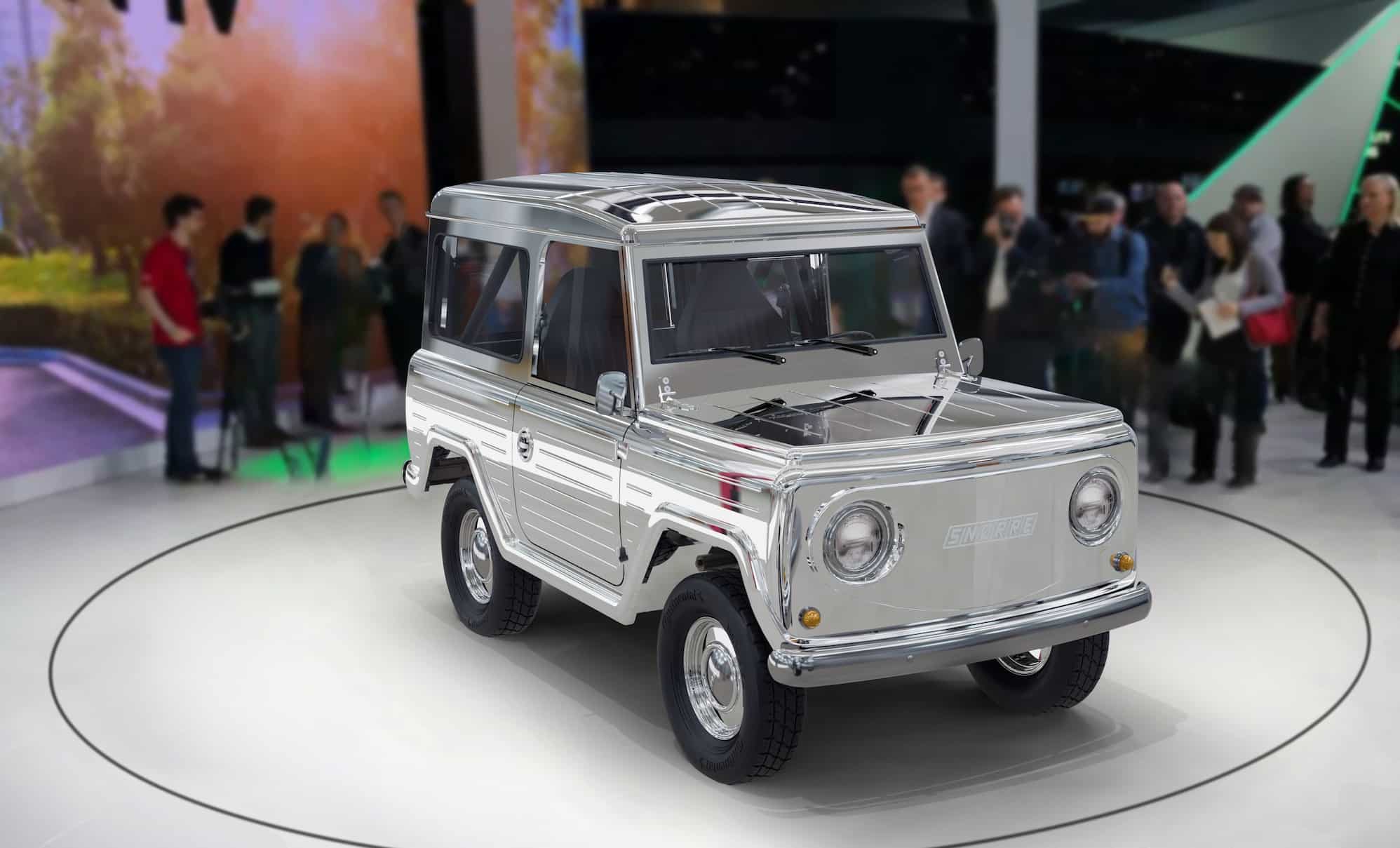
• Standard paint finish, alternatively colored aluminum anodized or high-gloss polish Gearbox
• 1-speed automatic transmission + switching to load/climb gear
• Rear-wheel drive Chassis
• 4-arm free-swing axle with rubber-mounted double spring pot (soft suspension) Body
• Recycled aluminum body Security
• Three-point front seat belts for driver and front passenger
• Roll bar connected to frame
• Driver airbag
• Seat-integrated headrests
• 4 disc brakes Tank or route expansion
• In the front area, a 6-pack battery pack can optionally be installed in just a few steps. This allows a purely electric range of up to 250km.
• Instead of the 6 battery pack, a range extender can be installed as an alternative. The purely electric vehicle becomes a hybrid with unlimited range.
• Completely modular design and interchangeability of all energy storage devices.
• We use battery cells from recycling providers.
• Adaptation to advances in energy storage technology possible at any time, e.g. solid-state batteries or hydrogen fuel cells.
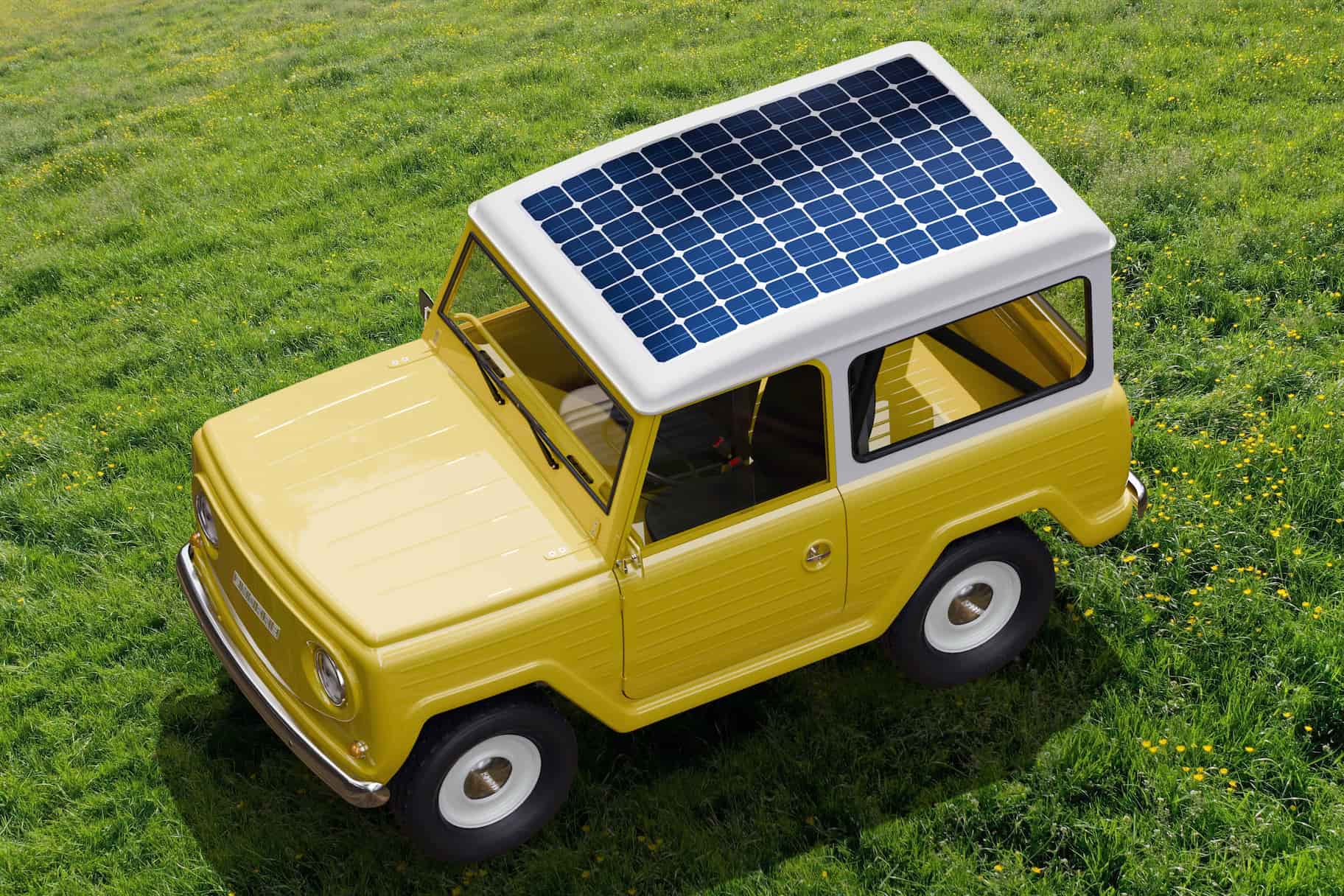
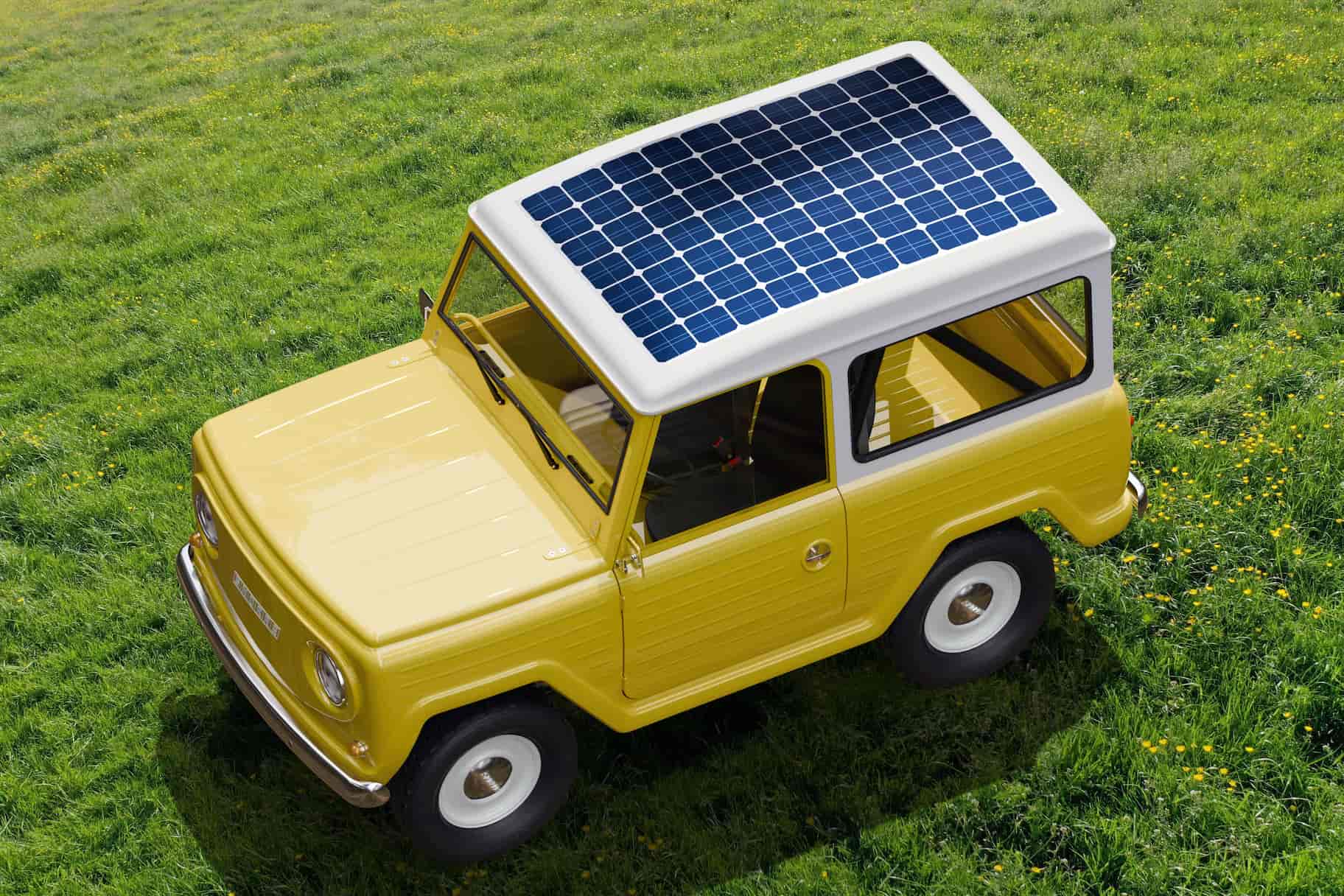
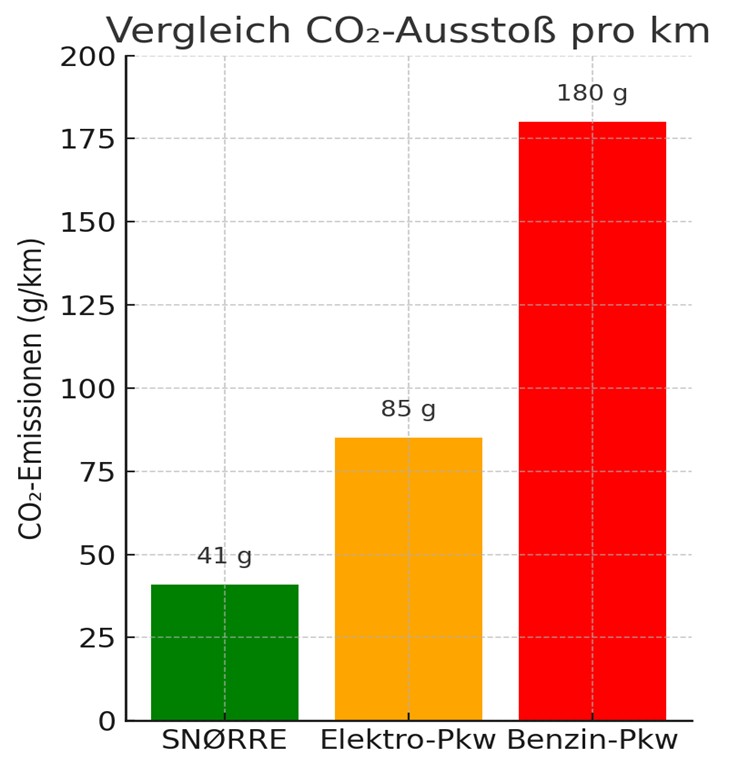
• Installation of a solar panel is possible without any problems Impact – Measurable Ecological & Social Benefits • Climate Protection: SNØRRE: approx. 41 g CO₂/km Petrol car: approx. 180 g/km,
Electric car: approx. 70–100 g/km
- This results in an annual CO₂ reduction of approx.
0.6–1.0 tons per vehicle, assuming a realistic driving
distance of 4,000–7,000 km per year. • Resource Efficiency:
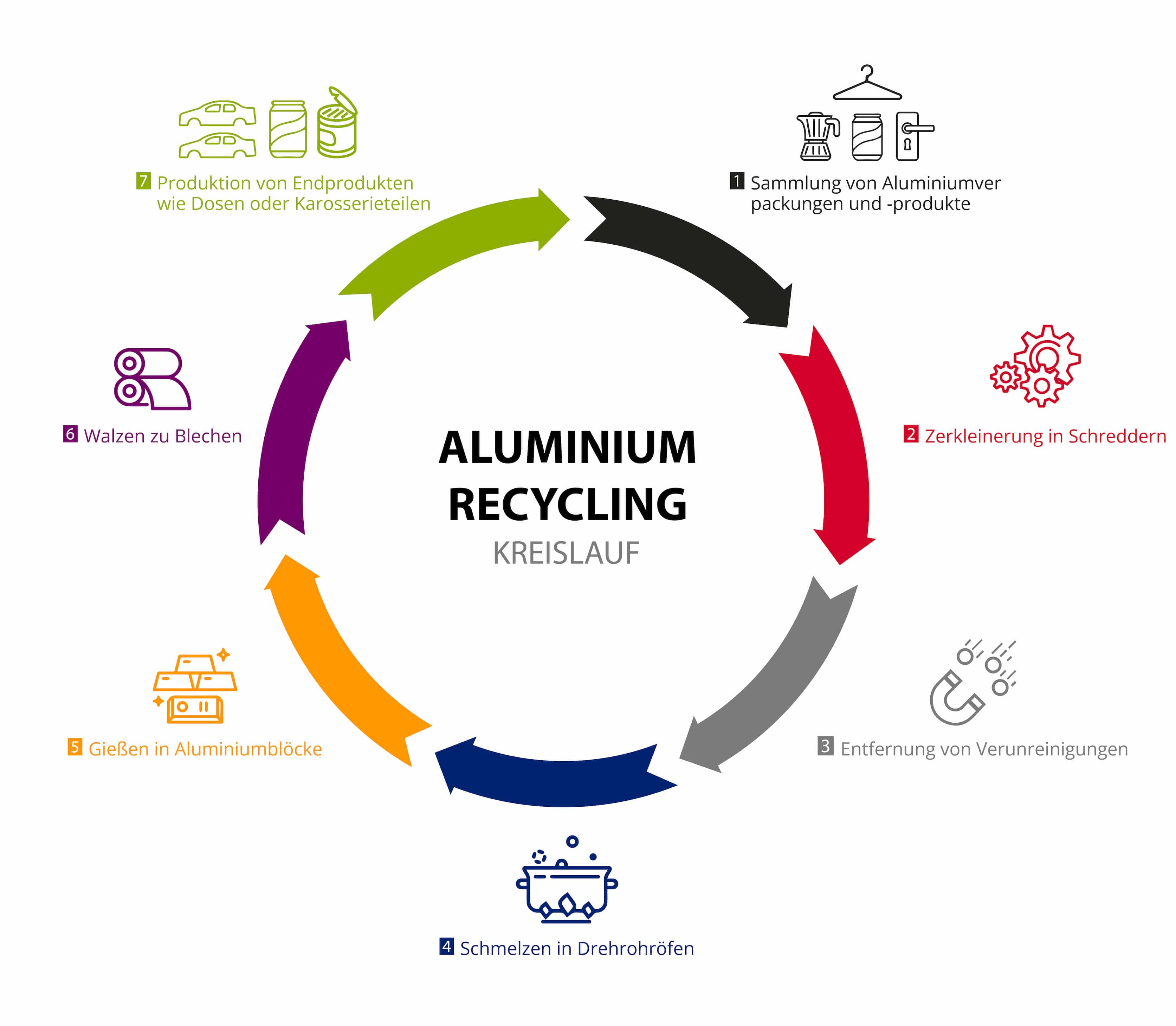
- 90% recycled aluminium → significantly lower energy
consumption compared to primary aluminium (EAA 2020)
- Second-life battery modules, where technically feasible
→ reduce the long-term demand for new batteries • Fair Labour & Value Creation:
- Approx. 80% European production with fair wages
- Strengthening of local economies and creation of jobs • Macro Impact:
- If SNØRRE reached 0.1% of the EU passenger car fleet (~248,000 vehicles) → potential reduction of 150,000–250,000 tons of CO₂ per year
- Scalability to millions of vehicles is possible
Tabelle technischer Daten
General vehicle data
• Weights: Empty weight without batteries (kg): 390, max. payload (kg): 400, permissible total weight (kg): 790
• External dimensions: 3,310 Length (mm):, Width (mm): 1,650, Height (mm): 1,850, Wheelbase (mm): 1,990, Front track width (mm): 1,260, Rear track width (mm): 1,260 and Track circle (mm): 7,560
• Electrically powered rear wheels
• Electric motor AC permanent magnet synchronous 6kw (L6e version) or 15kw (L7e version)
• Electric drive with four replaceable lithium-ion batteries kWh: 2.2/piece i.e. kWh: 8.8
• Maximum speed 45 km/h (L6e version), 85 km/h (L7e version)
• Consumption: 6.2 kWh per 100km
• Range: 110km (combined) with four batteries View
• Light: low beam, turn signals, daytime running lights and high beam
• Windshield wiper washer system
• Exterior mirrors on driver's side and passenger's side can be adjusted from the outside
• Interior mirror
• Daytime running lights
• Headlight headlight range adjustment
Interior
• Ventilation system with electric heating
• Cup holders in the doors
• Two mobile phone holders with wireless charging function
• 2 seats
• Driver's seat and passenger seat, individual seat with mechanical longitudinal adjustment
• Seat Covers: Vinyl Exterior
• Removable roof + convertible canvas top + bikini top awning
• Steel rims 4 J x 15 H, tires 165/70 R15 on the front and rear axles
• Standard paint finish, alternatively colored aluminum anodized or high-gloss polish Gearbox
• 1-speed automatic transmission + switching to load/climb gear
• Rear-wheel drive Chassis
• 4-arm free-swing axle with rubber-mounted double spring pot (soft suspension) Body
• Recycled aluminum body
Security
• Three-point front seat belts for driver and front passenger
• Roll bar connected to frame
• Driver airbag
• Seat-integrated headrests
• 4 disc brakes Tank or route expansion
• In the front area, a 6-pack battery pack can optionally be installed in just a few steps. This allows a purely electric range of up to 250km.
• Instead of the 6 battery pack, a range extender can be installed as an alternative. The purely electric vehicle becomes a hybrid with unlimited range.
• Completely modular design and interchangeability of all energy storage devices.
• We use battery cells from recycling providers.
• Adaptation to advances in energy storage technology possible at any time, e.g. solid-state batteries or hydrogen fuel cells.
• Installation of a solar panel is possible without any problems
Impact – Measurable Ecological & Social Benefits • Climate Protection: SNØRRE: approx. 41 g CO₂/km Petrol car: approx. 180 g/km,
Electric car: approx. 70–100 g/km
- This results in an annual CO₂ reduction of approx.
0.6–1.0 tons per vehicle, assuming a realistic driving
distance of 4,000–7,000 km per year. • Resource Efficiency:
- 90% recycled aluminium → significantly lower energy
consumption compared to primary aluminium (EAA 2020)
- Second-life battery modules, where technically feasible
→ reduce the long-term demand for new batteries • Fair Labour & Value Creation:
- Approx. 80% European production with fair wages
- Strengthening of local economies and creation of jobs • Macro Impact:
- If SNØRRE reached 0.1% of the EU passenger car fleet (~248,000 vehicles) → potential reduction of 150,000–250,000 tons of CO₂ per year
- Scalability to millions of vehicles is possible
Airbag and battery system
Airbag System and position of batteries in vehicle.
SNORRE batteries, 2.2kWh per piece
SNORRE Airbag steering wheel
The 17 Global Goals
We also believe in the 17 Sustainable Development Goals of the United Nations:
Goal 1: No poverty
Goal 2: No hunger
Goal 3: Health and well-being
Goal 4: Quality education
Goal 5: Gender equality
Goal 6: Clean water and sanitation
Goal 7: Affordable and clean energy
Goal 8: Decent work and economic growth
Goal 9: Industry, innovation and infrastructure
Goal 10: Reduced inequalities
Goal 11: Sustainable cities and communities
Goal 12: Sustainable consumption and production
Goal 13: Climate action
Goal 14: Life underwater
Goal 15: Life on land
Goal 16: Peace, justice and strong institutions
Goal 17: Partnerships to achieve the goals
“True sustainability is directly related to longevity
and useful life of a technical product. A long product lifespan
is initially dependent on high-quality materials/manufacturing and a
high ease of repair.
However, these efforts are futile if the product design is not up to par,
can't withstand devaluation through fast-moving fashion trends.
If the design is purely contemporary oriented, the product will be
worthless within a few years - despite the best functionality.
Only a timeless design ensures a long product life
even possible.
A timeless design is the key to true sustainability.”
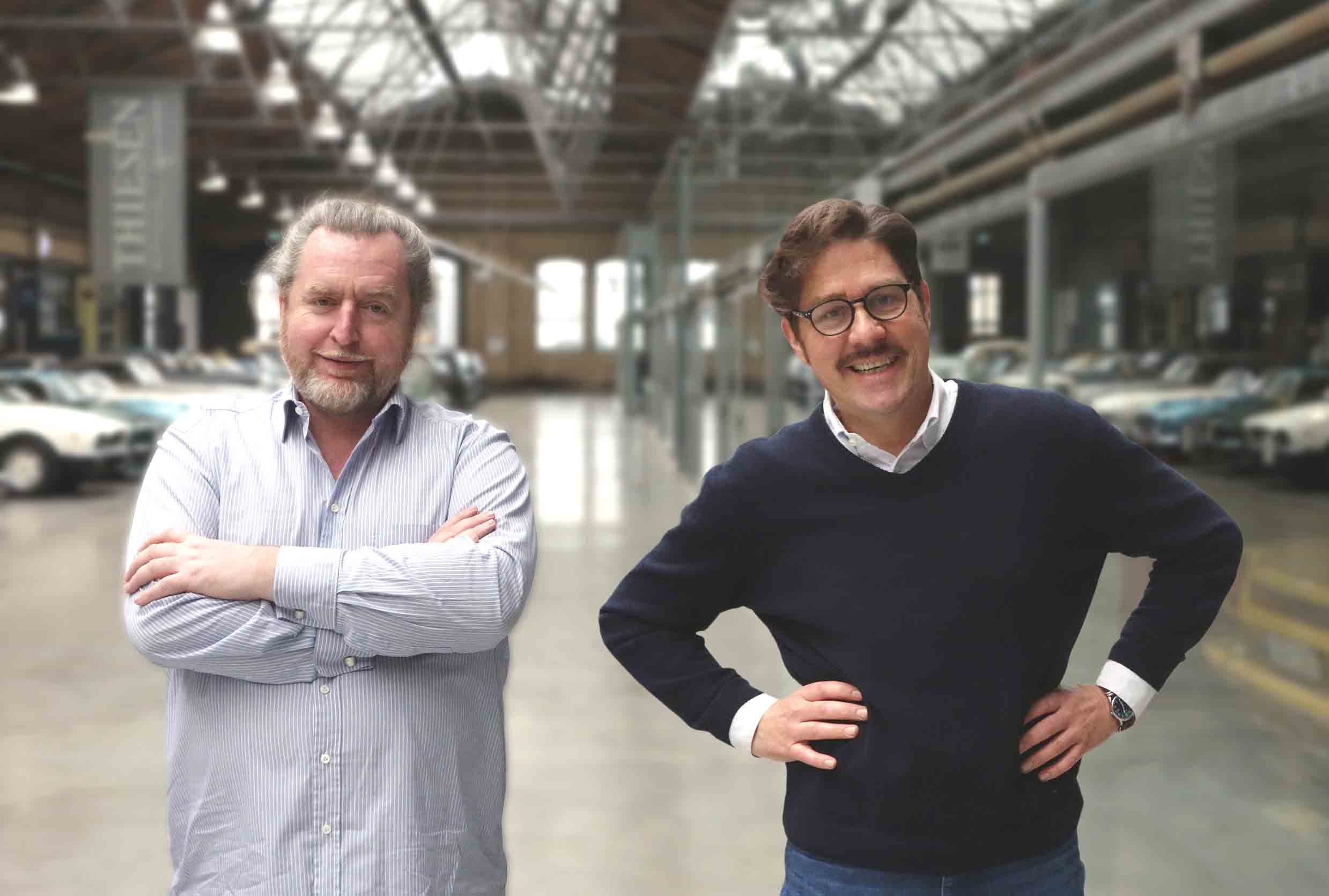
- Marcus and Björn, founders
Do you also think,
the SNØRRE needs to be built?
Help get the SNØRRE rolling.
We are looking for people who want to get on board!
Imprint/Contact
SNØRRE Microcar
Döhrmann/Wessel GbR
John-Schehr-Strasse 32
10407 Berlin
Partners: Marcus Döhrmann and Björn Wessel
Contact:
Telephone: +49 (0) 163 7117 617
Email: info@fairecar.com
www.fairecar.com
Responsible for content according to Section 18 Paragraph 2 MStV:
Marcus Döhrmann and Björn Wessel (contact see above)